Amid the deepening humanitarian crisis in Venezuela and the growing displacement of people across the Colombia–Venezuela border, reliable communications became a critical constraint for humanitarian operations. In the remote border town of Guasdualito, where UNHCR maintained a field office, connectivity was severely limited. The office relied on unstable DSL internet, frequently disrupted by power outages and the progressive collapse of national telecommunications infrastructure, making it difficult to coordinate protection and assistance activities for vulnerable populations.
Guasdualito sits at a key crossing point for people fleeing insecurity and hardship, particularly Colombian refugees and Venezuelans affected by the broader regional crisis. With one of the largest displacement situations in Latin American history—millions of refugees and migrants across the region—UNHCR and its partners were under increasing pressure to deliver effective support in challenging operating conditions. In this context, the lack of reliable internet connectivity directly impacted the ability to manage programmes in health, education, protection, water, and sanitation, as well as to maintain communication with coordination hubs and partners.
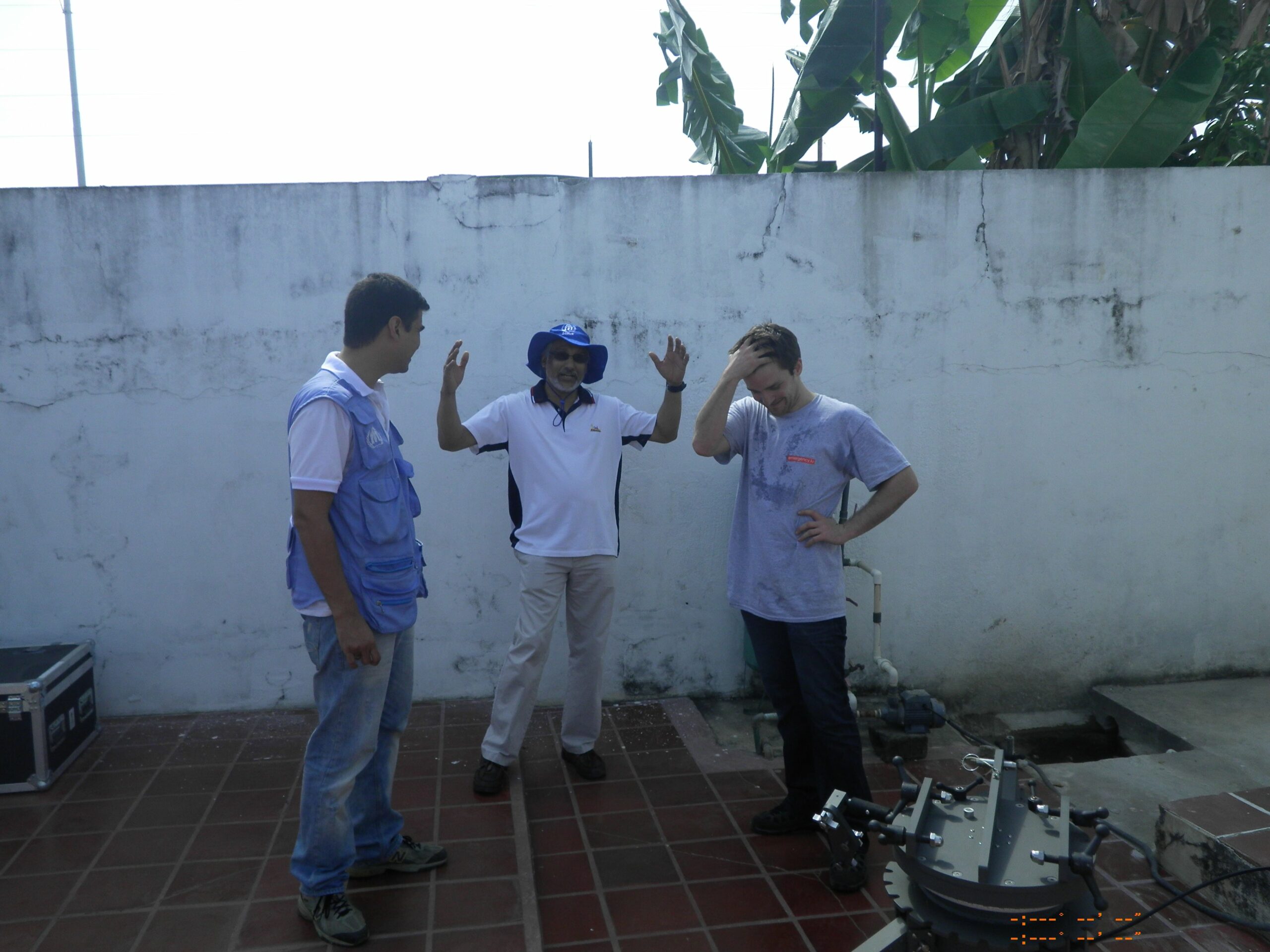
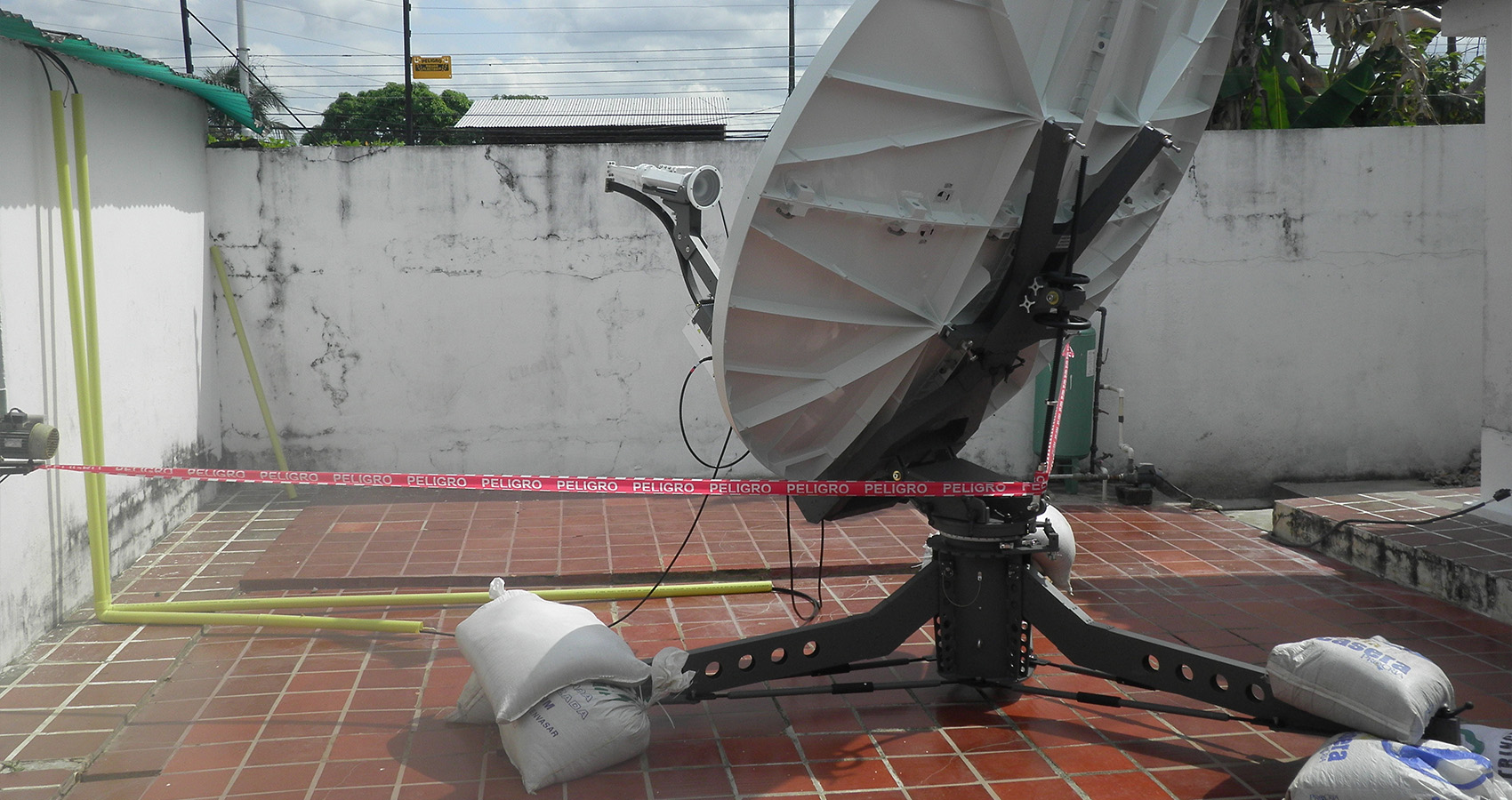
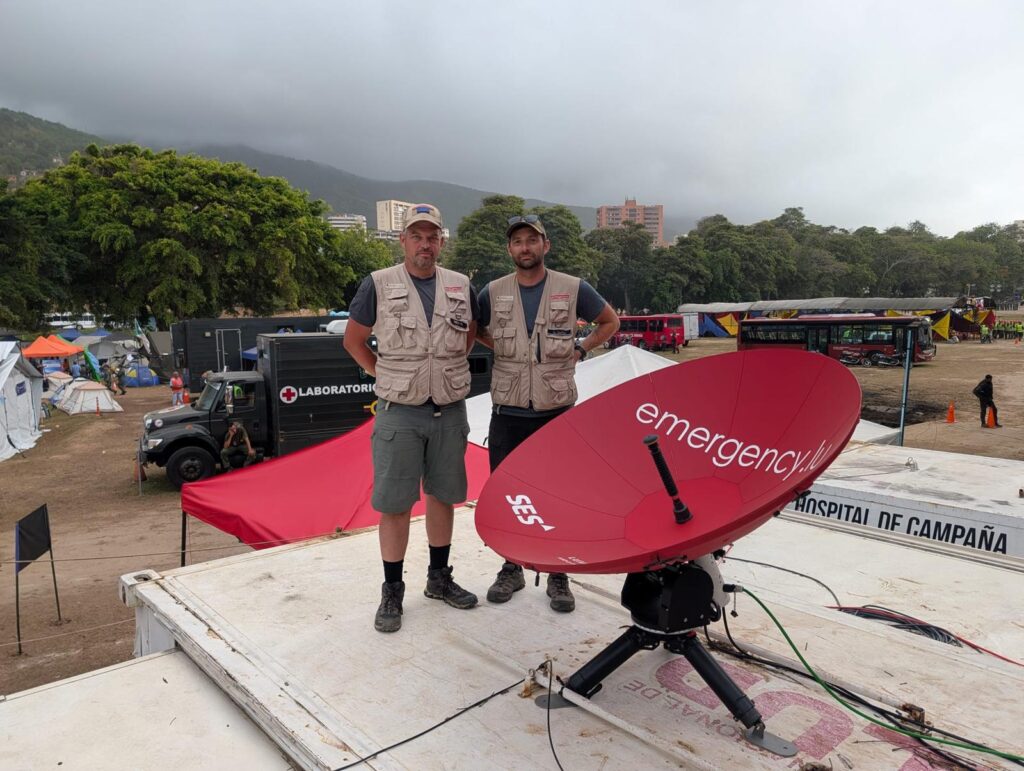
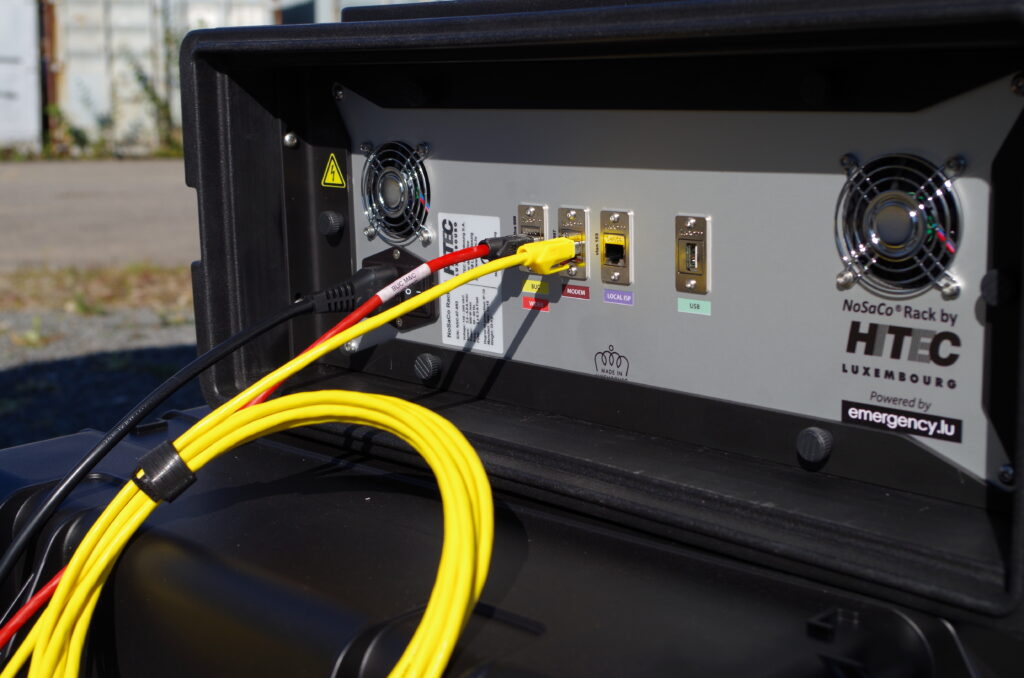
To address this gap, Luxembourg, through emergency.lu, provided a satellite-based connectivity solution to reinforce UNHCR’s operational capacity in Guasdualito. The deployment enabled the field office—shared among UNHCR and partner organizations with limited resources—to overcome the constraints of unreliable terrestrial networks and frequent electricity disruptions, which had rendered local internet service providers inconsistent or unusable.
The emergency.lu system delivered stable and resilient internet access, ensuring that humanitarian staff could maintain continuous communication despite fluctuating local conditions. This improvement strengthened coordination with national and international partners, supported reporting and data exchange, and enhanced the overall effectiveness of field operations. For smaller local organizations working with constrained budgets, access to a shared and reliable communication service was particularly significant, as commercial connectivity had become increasingly inaccessible.
Beyond its immediate technical impact, the deployment contributed to broader capacity-building efforts. As highlighted by UNHCR leadership, strengthened communications not only improved collaboration but also enabled partners to expand their operational reach and effectiveness. By ensuring a dependable communications backbone, emergency.lu helped create an environment in which humanitarian actors could better plan, respond, and adapt to a rapidly evolving crisis.
The Guasdualito operation underscored the importance of robust, independent telecommunications solutions in protracted crises, where infrastructure degradation and resource limitations can severely hamper humanitarian action. It demonstrated how targeted support in a single, strategically important field location can have a disproportionate impact on the quality and continuity of assistance delivered to affected populations.
“The donation from the Government of Luxembourg comes at a timely moment when UNHCR is placing emphasis on investing in its partners and building their capacity to respond better. Strengthened communications serves not only as a way to enhance UNHCR collaboration with partners, but it is also a means to provide them an opportunity to broaden their own operational perspectives and for all of us together to make a difference.”
Giovanni Monge
Head of Programme, UNHCR Venezuela