On 4 October 2016, Hurricane Matthew, a powerful Category 4 storm, struck Haiti with devastating force, becoming the country’s largest humanitarian crisis since the 2010 earthquake. With torrential rains, storm surges, and winds exceeding 230 km/h, the hurricane caused hundreds of deaths, widespread destruction of homes and infrastructure, and severe flooding across the southern peninsula.
Approximately 2.1 million people were affected, including 1.4 million in need of urgent humanitarian assistance. Entire communities were cut off as roads became impassable and critical infrastructure—particularly telecommunications networks—was heavily damaged. The collapse of voice and internet services severely limited the ability of responders to coordinate relief efforts in the immediate aftermath.
As global lead of the Emergency Telecommunications Cluster (ETC), the World Food Programme (WFP) requested the deployment of emergency.lu satellite communication systems to restore connectivity for the humanitarian community. In response, Luxembourg mobilised both equipment and personnel to support the operation.
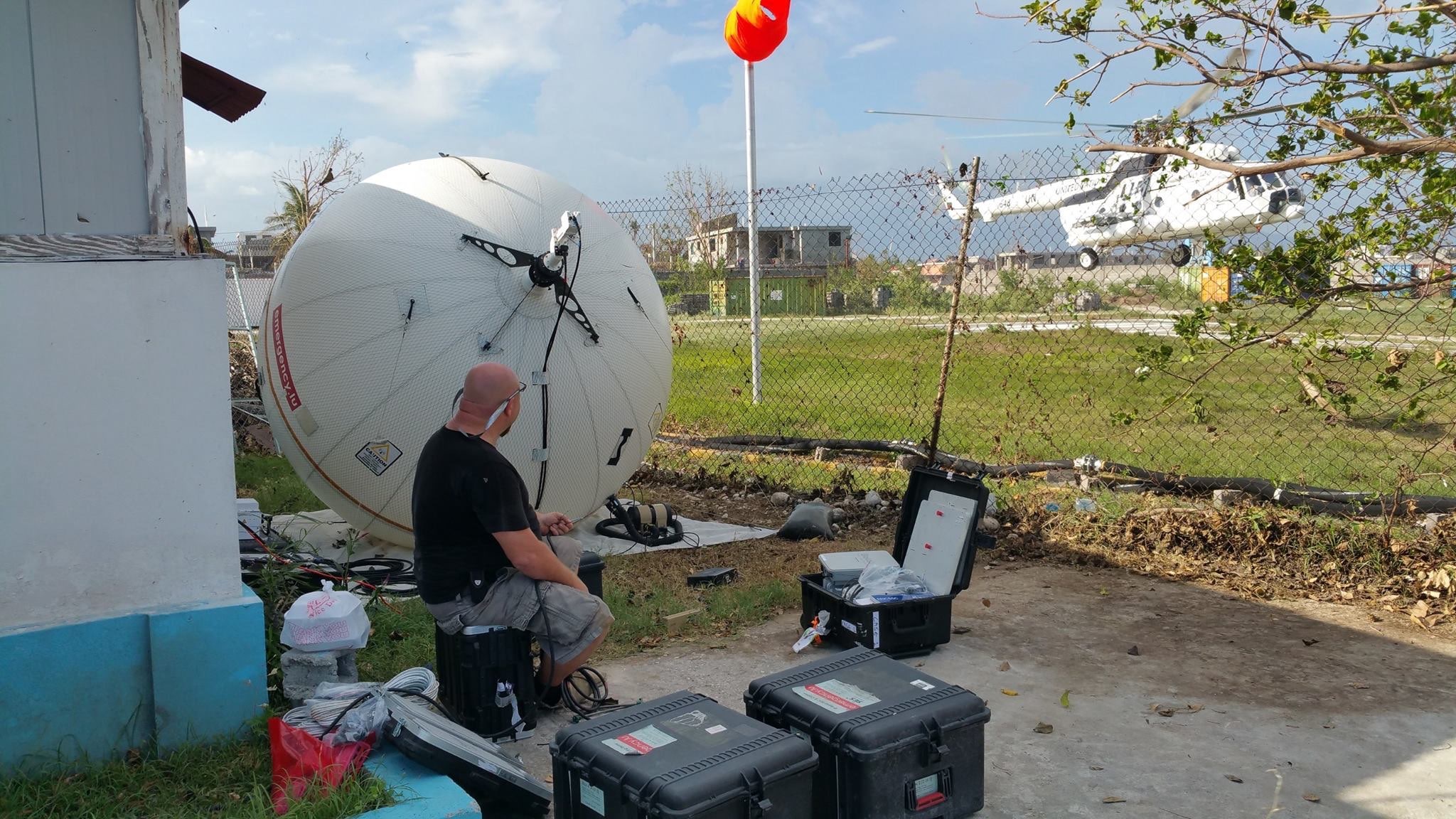
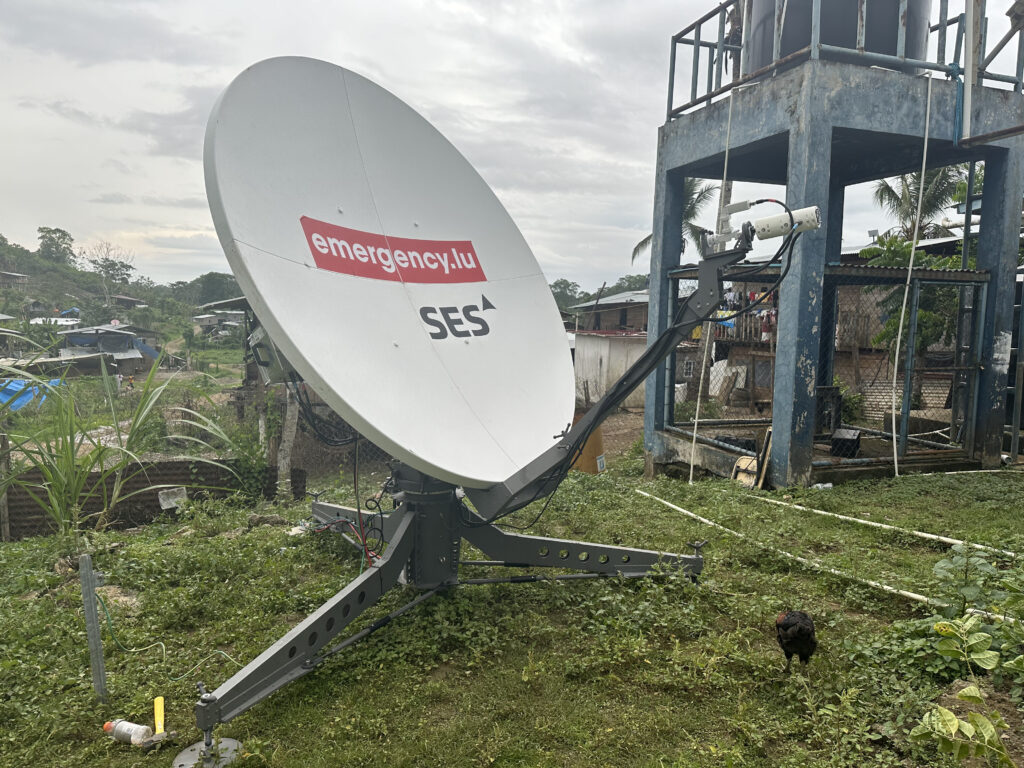
Two satellite terminals were deployed:
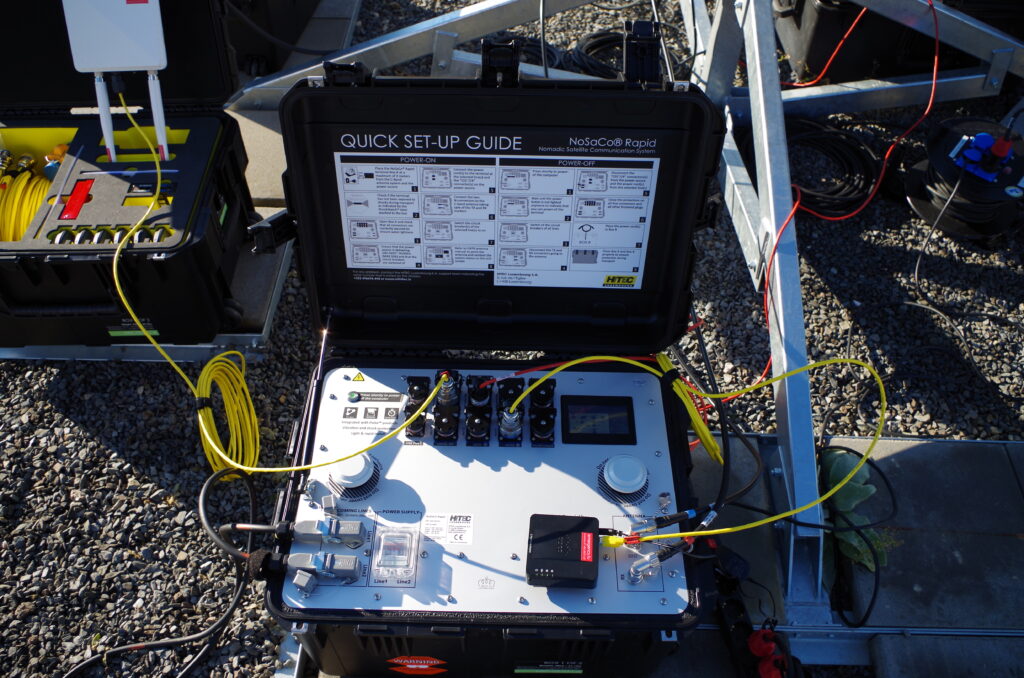
- A rapid deployment kit installed in the main humanitarian hub in Les Cayes, one of the worst-affected cities
- A regular deployment kit installed at the IHP base camp in Jérémie, another heavily impacted area
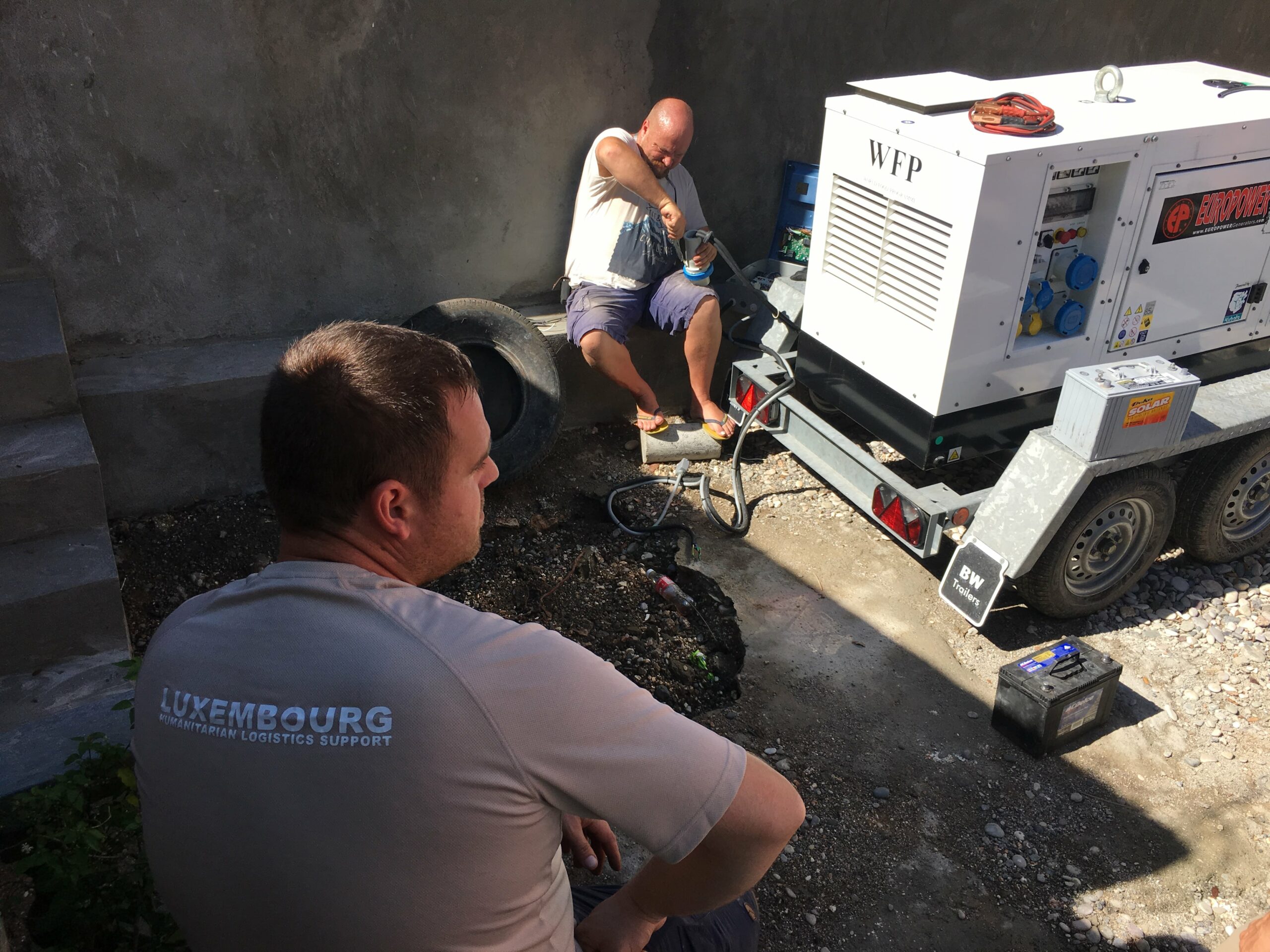
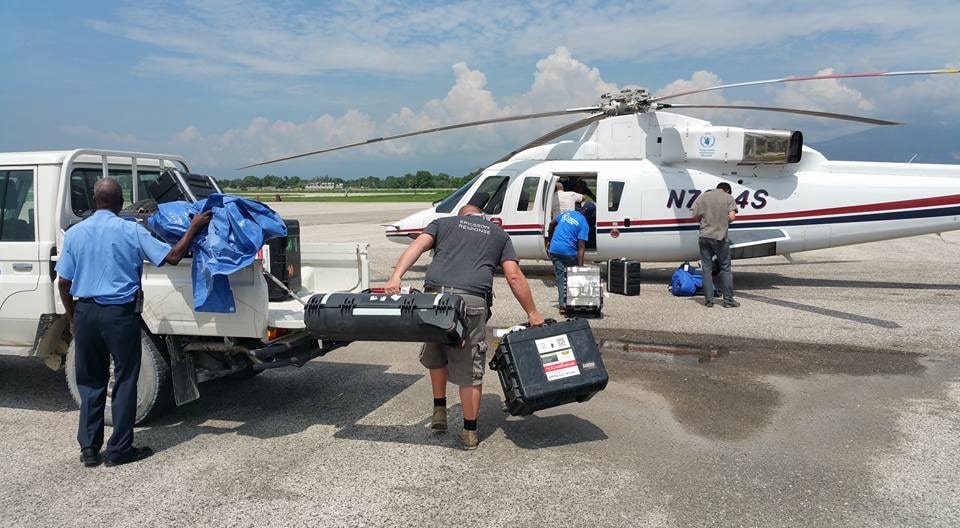
A team of two Luxembourg Civil Protection volunteers was deployed to install and configure the systems and to support ETC operations on the ground. They worked in close collaboration with WFP and Ericsson Response, with Ericsson responsible for bandwidth management and Wi-Fi distribution across the user network.
Once operational, the emergency.lu systems provided reliable satellite-based internet connectivity to the humanitarian community, enabling responders to re-establish coordination mechanisms, share information, and manage relief operations effectively. The services supported approximately 2,000 users, with a total data throughput exceeding 1.7 terabytes, reflecting the scale and intensity of the response.
The connectivity enabled:
- Coordination between humanitarian organisations and national authorities
- Real-time information sharing and reporting
- Support for logistics, assessments, and relief distribution
- Restoration of communication links in areas where infrastructure had collapsed
By rapidly restoring communications in two of the most critical operational hubs, emergency.lu played a key role in stabilising the response environment and enabling efficient humanitarian action. The deployment demonstrated once again the importance of rapid, scalable, and resilient connectivity solutions in large-scale natural disasters, particularly in contexts where infrastructure vulnerabilities amplify the impact of extreme events.