On 14 March 2015, Tropical Cyclone Pam, one of the most powerful storms ever recorded in the Pacific, struck the island nation of Vanuatu as a Category 5 cyclone. With sustained winds reaching 250 km/h and gusts up to 350 km/h, the cyclone caused catastrophic damage across the archipelago’s 80+ islands. Coastal storm surges, torrential rainfall, and violent winds destroyed homes, flattened vegetation, and wiped out critical infrastructure, including roads, power systems, and telecommunications networks.
Entire communities were cut off, with up to 90% of buildings damaged or destroyed in some areas, particularly in remote islands such as Tanna, where the storm made a devastating impact. Communication systems collapsed nationwide, leaving the government and humanitarian actors struggling to assess needs, coordinate response efforts, and reach isolated populations. The scale of the destruction prompted the Government of Vanuatu to appeal for international assistance.
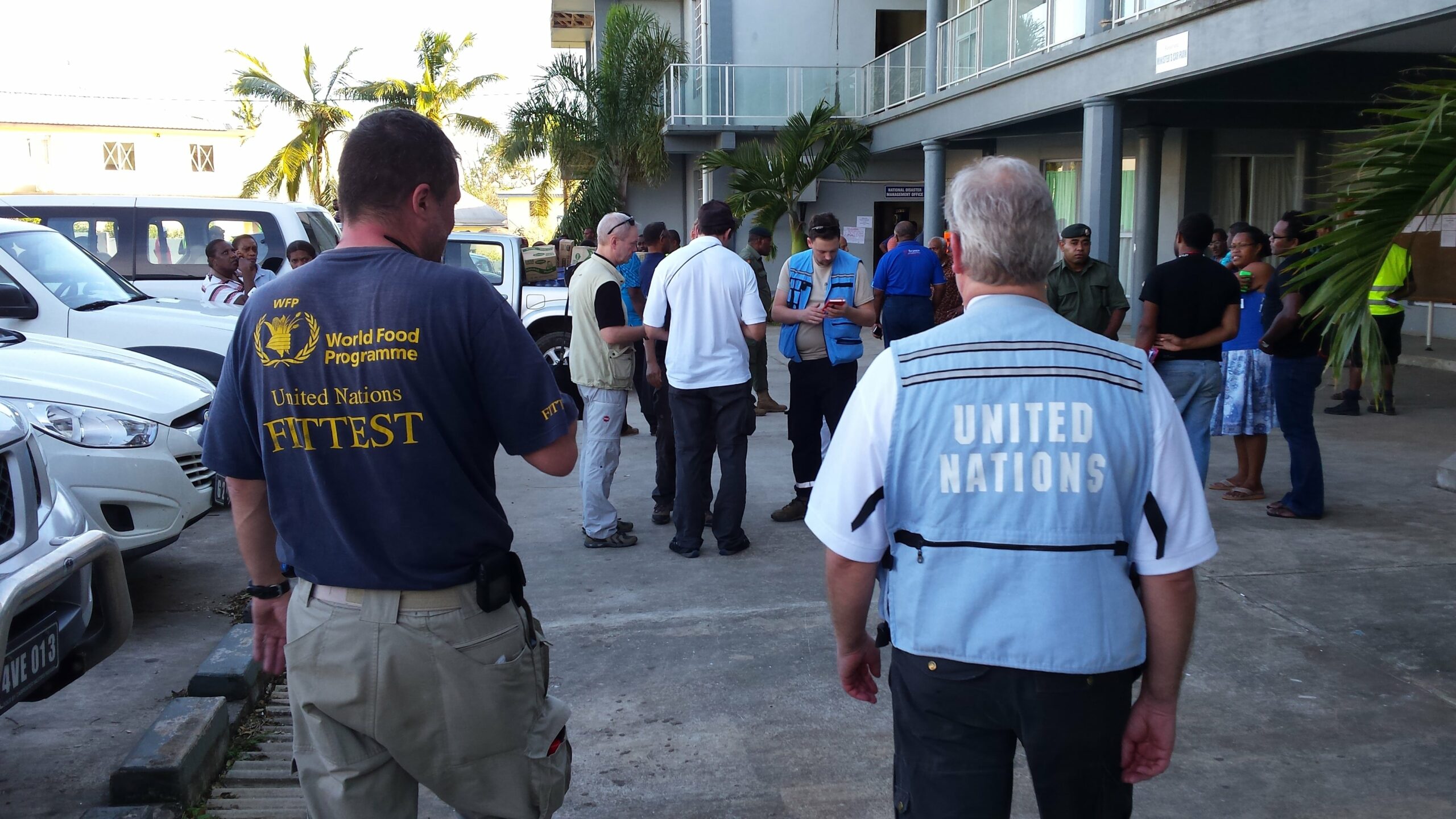
In response, the Emergency Telecommunications Cluster (ETC), led by the World Food Programme (WFP), was activated to restore critical communications and support coordination among humanitarian actors. As an ETC partner, the Government of Luxembourg deployed emergency.lu to reinforce these efforts, focusing on areas where connectivity needs were most acute.
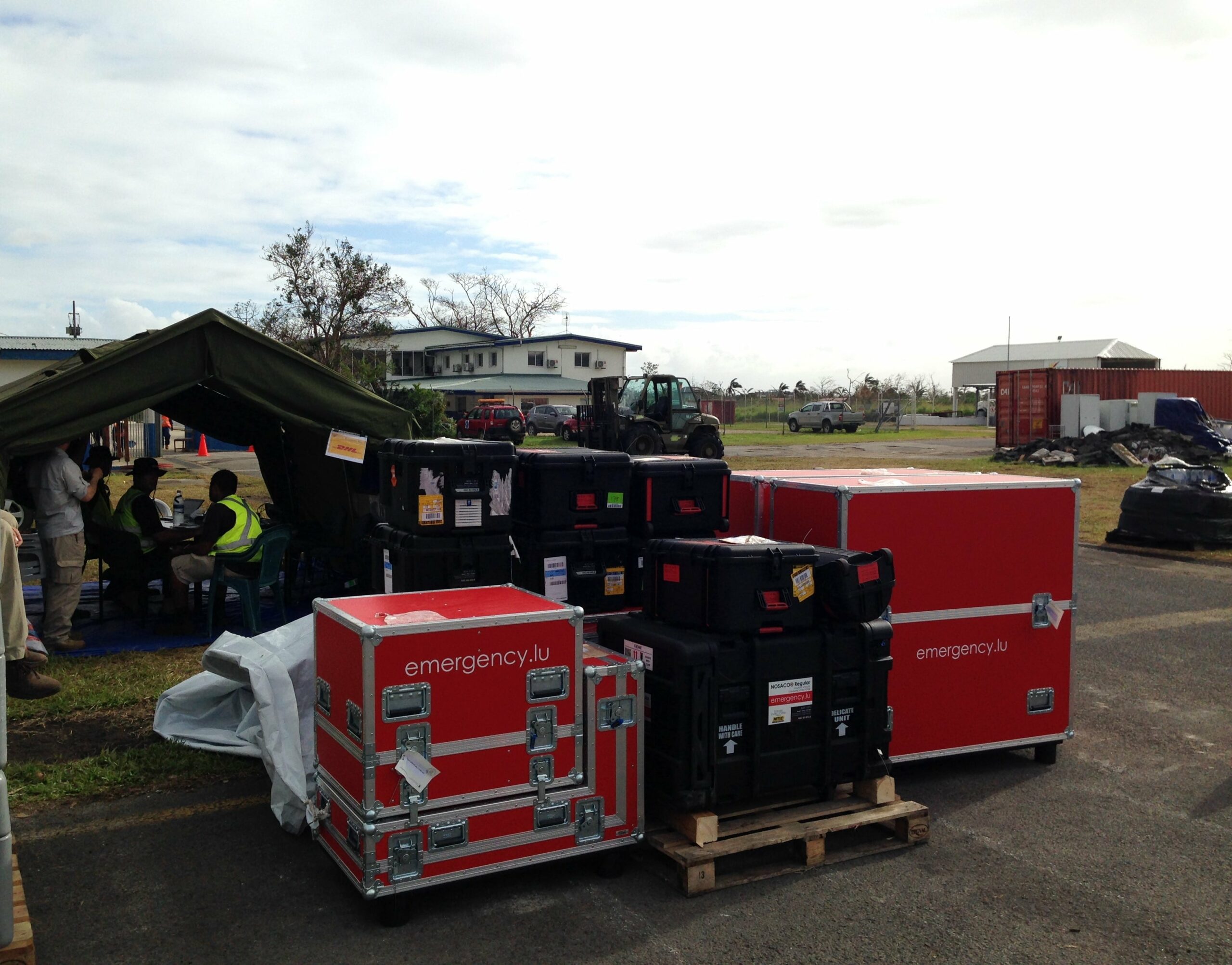
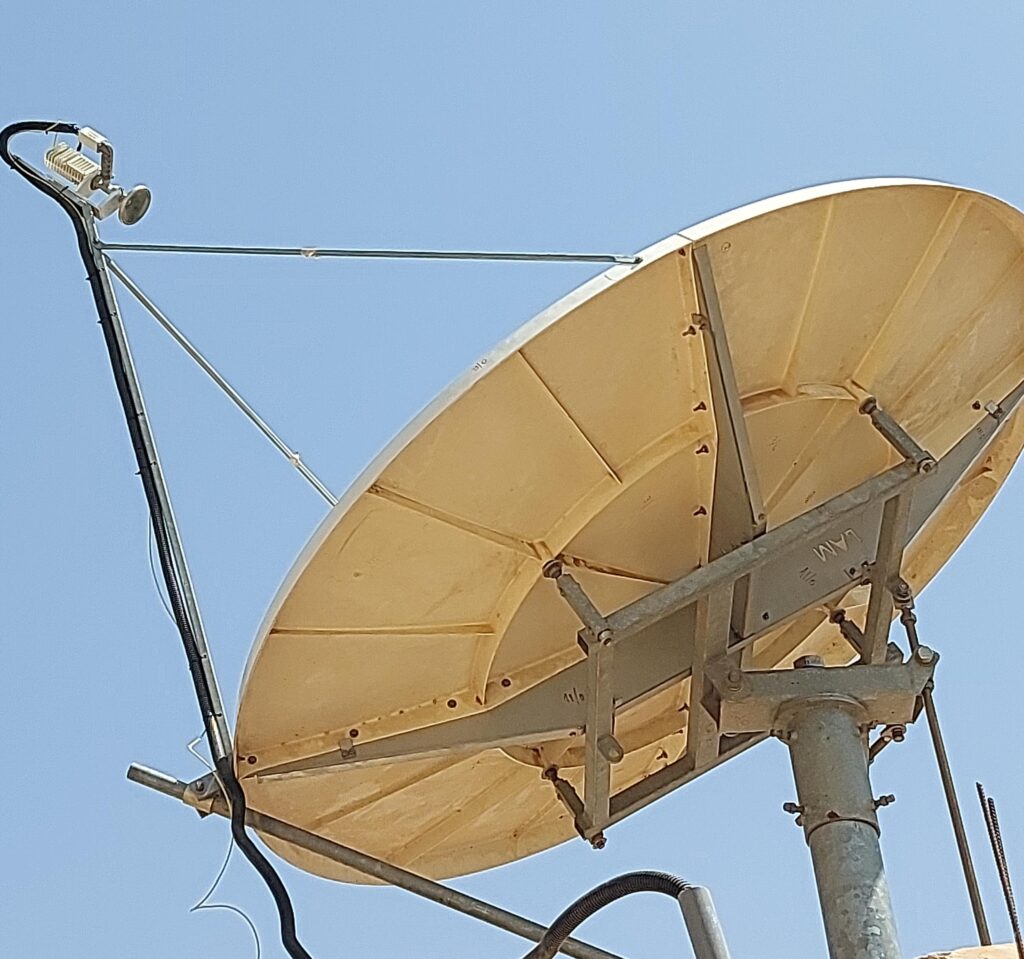
A regular emergency.lu deployment kit was installed on Tanna island, one of the hardest-hit locations. The system provided reliable satellite-based internet connectivity, enabling humanitarian organisations and government authorities to re-establish communication links in an environment where terrestrial networks had been almost entirely destroyed.
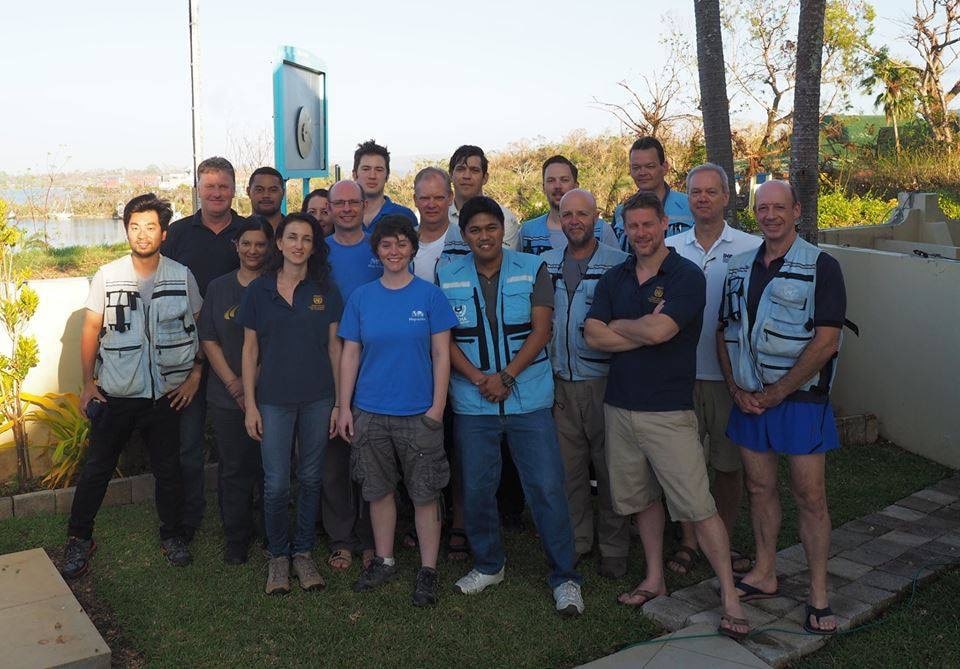
The deployment was carried out by a Luxembourg Civil Protection team, initially mobilised through the International Humanitarian Partnership (IHP) to support the United Nations Disaster Assessment and Coordination (UNDAC) team. Working under challenging field conditions, the team rapidly installed and configured the system, ensuring that it became operational in a short timeframe.
Once active, the emergency.lu platform played a critical role in:
- Supporting coordination between national authorities and international responders
- Enabling needs assessments and information sharing from remote locations
- Facilitating logistics planning and relief distribution
- Restoring a basic level of communication for isolated communities and field teams
In a context where geography and infrastructure damage severely limited access, the availability of independent, satellite-based connectivity was essential for regaining operational control of the response. The system allowed actors on Tanna to reconnect with coordination centres in the capital, Port Vila, and with the broader international response network.