In 2018, the Central African Republic (CAR) remained deeply affected by a protracted conflict that began in 2013, marked by recurring violence, widespread displacement, and the collapse of basic state services. By late 2018, a renewed escalation of violence pushed the country toward another major humanitarian crisis, with over 2.5 million people—more than half the population—in urgent need of assistance. In volatile regions such as Batangafo, in the north of the country, humanitarian actors operated under extremely challenging conditions, including high insecurity, weak infrastructure, and limited access to reliable communications.
To support operations in this environment, the Emergency Telecommunications Cluster (ETC)—activated in CAR since 2013 and led by the World Food Programme (WFP)—requested additional connectivity solutions for field locations. In response, Luxembourg’s emergency.lu, working closely with Ericsson Response, contributed to strengthening communications capacity in Batangafo.
Rather than deploying a full satellite kit alone, the operation focused on delivering a comprehensive data connectivity solution centered around Wi-Fi network infrastructure. emergency.lu coordinated the donation and deployment of advanced networking equipment, including:
- A Vecow server for centralised network management
- More than 20 indoor and outdoor Wi-Fi access points
- Cisco network switches and related components
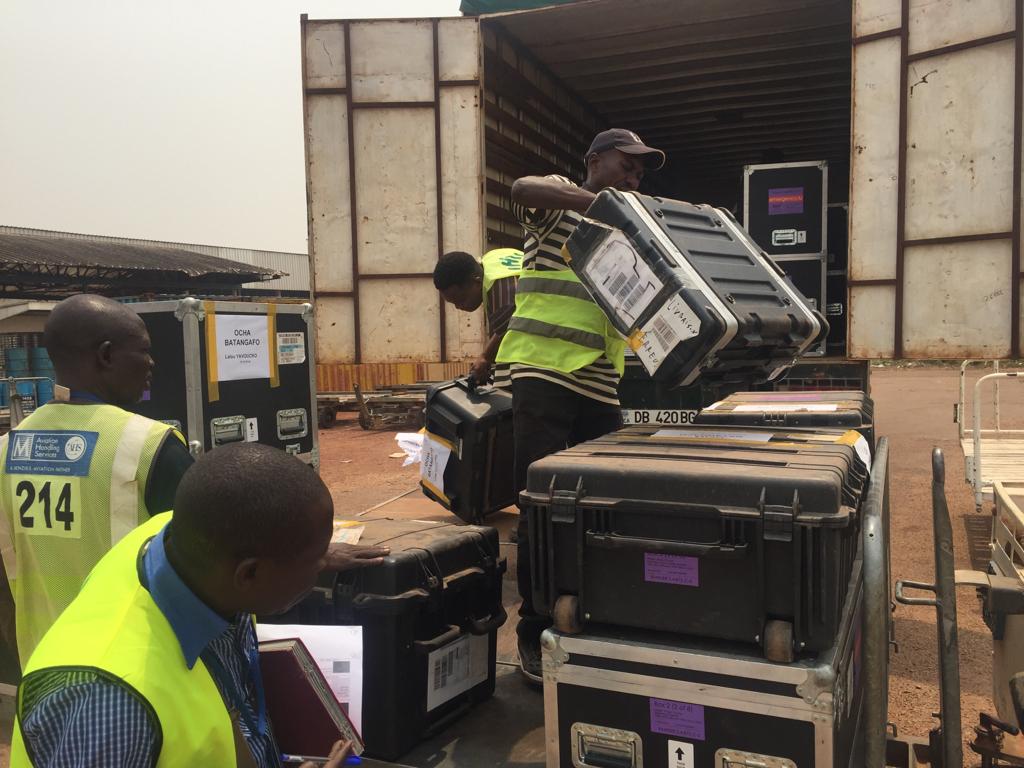
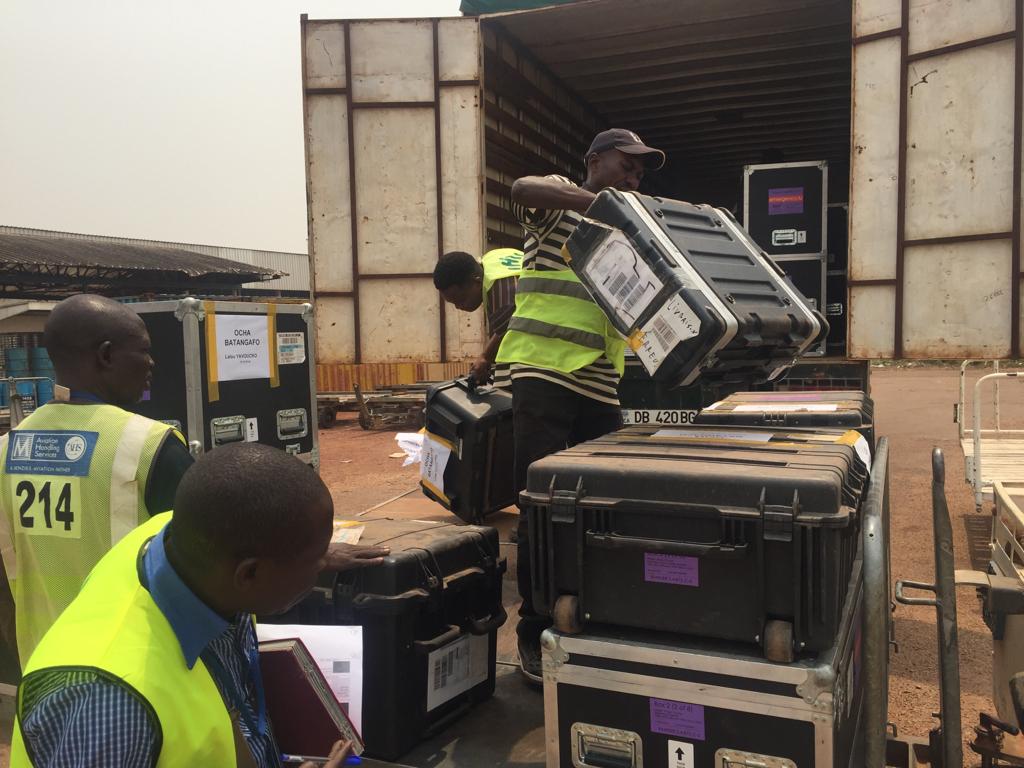
The equipment—shipped as a 93 kg pallet from Asia via Luxembourg and then onward to Bangui—was rapidly cleared through customs and transported by road to Batangafo, demonstrating efficient multi-stage logistics under challenging conditions.
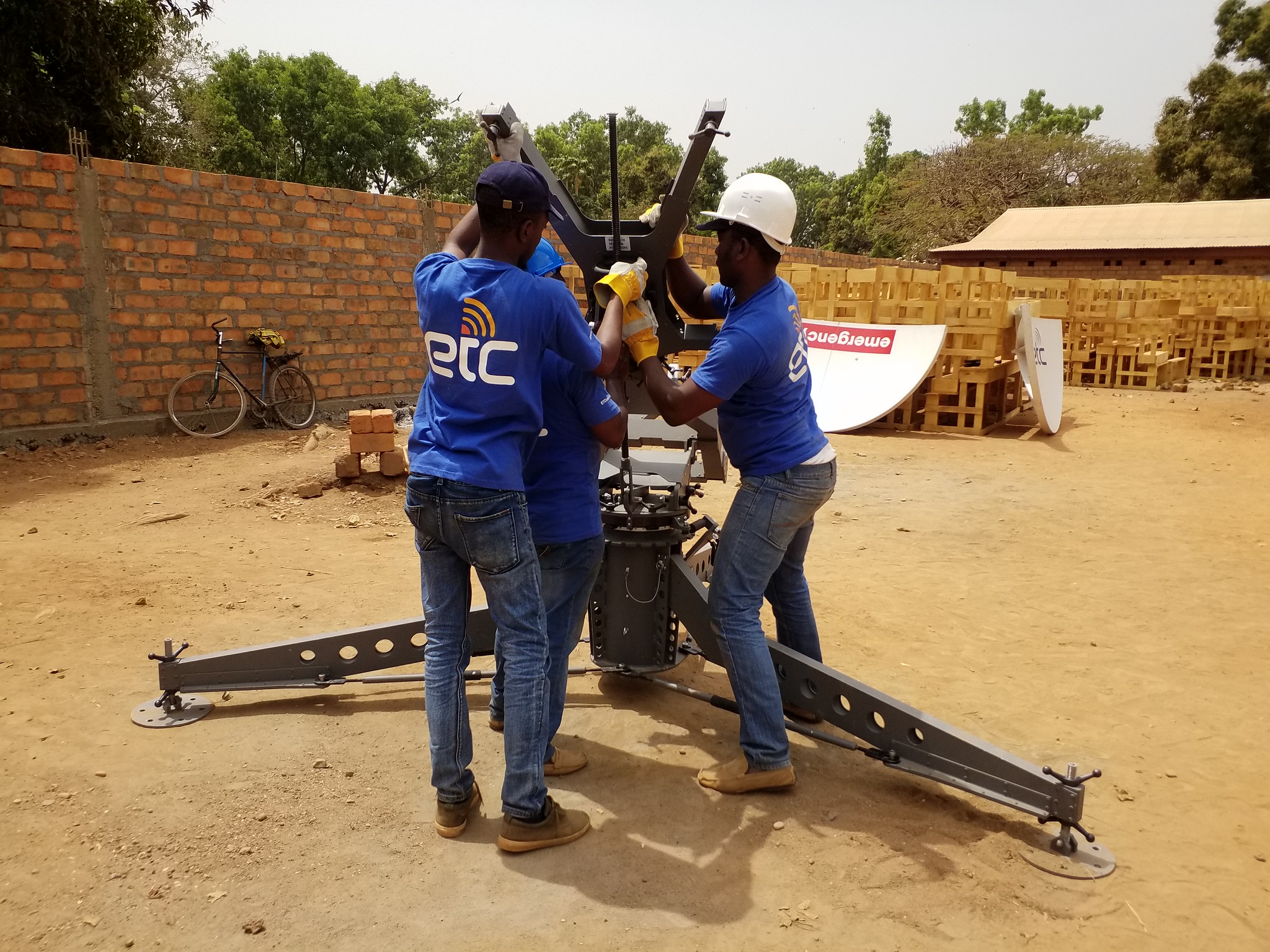
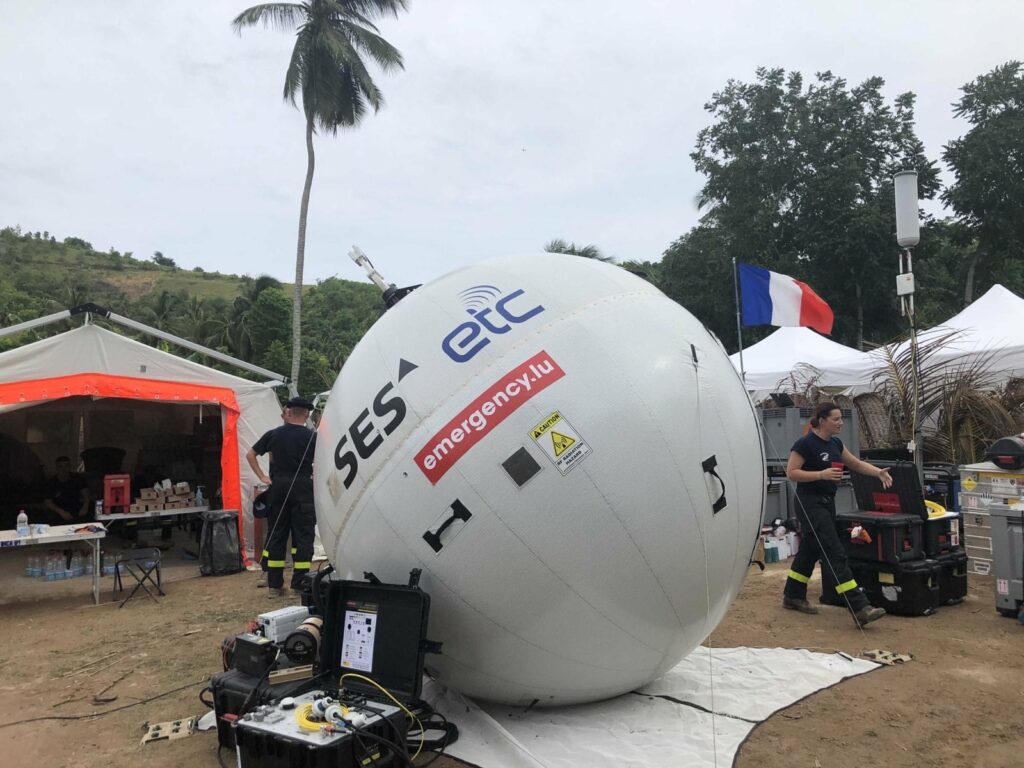
An on-site technical assessment confirmed the installation of a VSAT system at the OCHA office, forming the backbone of connectivity. From this central node, the network was extended to partner organisations, including World Vision, via wireless links, with further expansion planned toward additional partners such as Oxfam. The system operated in a resource-constrained environment, supported by hybrid power solutions, including solar panels, battery storage, and diesel generators.
Deployed under high security risk conditions—characterised by armed conflict and elevated crime levels—the solution provided critical connectivity to humanitarian actors operating in and around internally displaced persons (IDP) areas.
The Batangafo deployment illustrated a flexible and partnership-driven approach, combining satellite backbone connectivity with scalable Wi-Fi distribution networks. It also highlighted the importance of tailoring technical solutions to the constraints of each operational context, particularly in insecure and infrastructure-poor environments.
By reinforcing communications in one of CAR’s most challenging regions, emergency.lu and its partners helped ensure that humanitarian organisations could remain connected, coordinated, and effective in addressing the needs of vulnerable populations amid ongoing conflict.