In late 2020, the outbreak of conflict in Ethiopia’s Tigray region triggered a rapid displacement crisis, forcing tens of thousands of people to flee across the border into eastern Sudan. Refugees arrived in remote and underdeveloped areas of Gedaref State, overwhelming local capacities and requiring the urgent establishment of new camps and humanitarian infrastructure.
These border regions, already characterised by limited connectivity, weak infrastructure, and logistical constraints, faced immediate challenges in coordinating the large-scale humanitarian response. Reliable communications were essential to support the rapid setup of camps, registration of refugees, and delivery of life‑saving assistance.
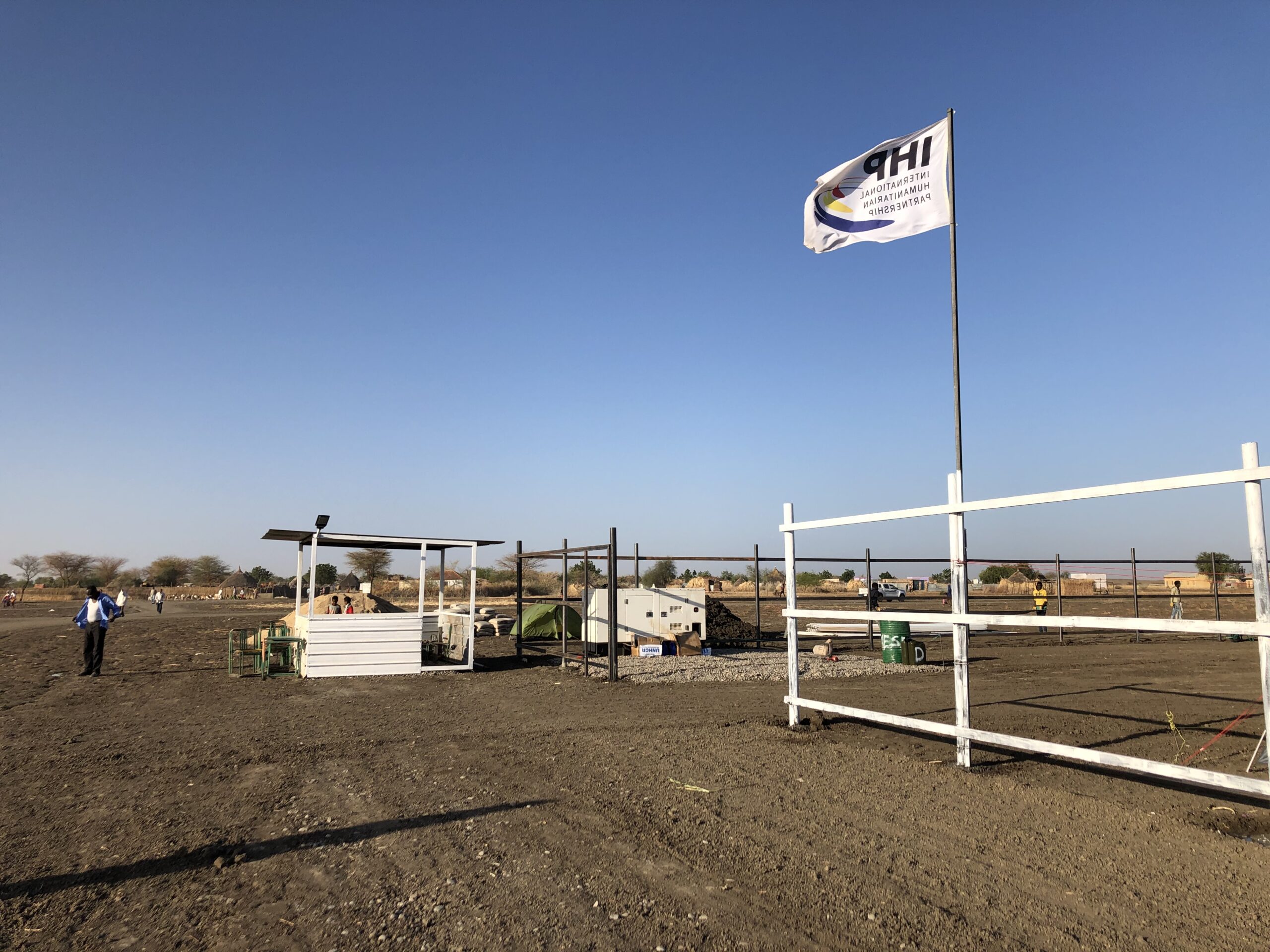
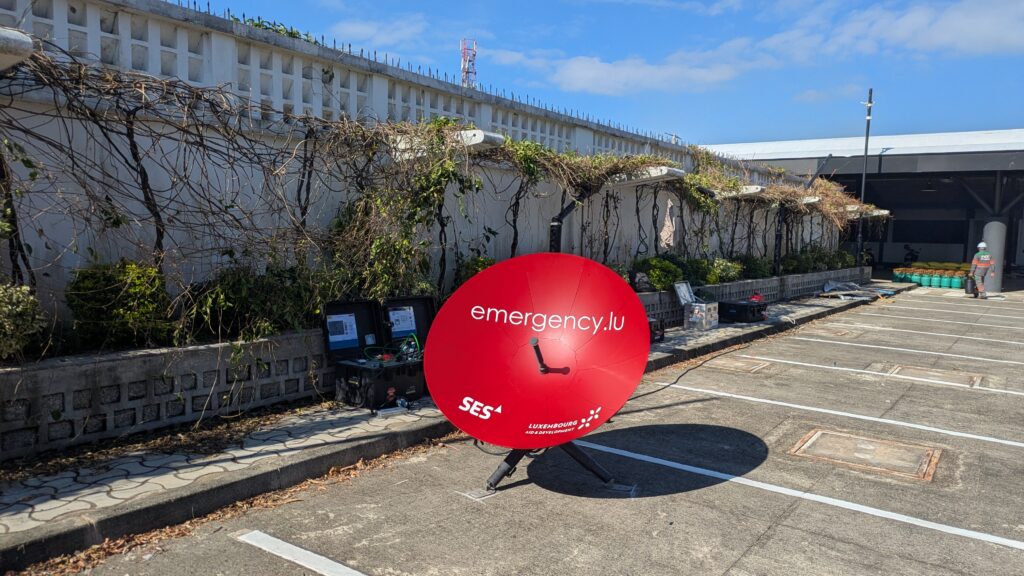
Responding to an official request from UNHCR, Luxembourg mobilised support through the International Humanitarian Partnership (IHP). On 20 December 2020, three CGDIS Humanitarian Intervention Team (HIT) experts were deployed to Sudan, alongside three emergency.lu satellite communication systems, following approval by Luxembourg authorities.
Working closely with UNHCR’s regional coordination teams and local authorities, the Luxembourg experts installed VSAT hubs at key base camps using NoSaCo rack-mounted systems. These installations provided reliable internet and voice connectivity, enabling humanitarian actors to operate effectively in a remote and fast-evolving emergency setting.
The deployment supported:
- Operational coordination between humanitarian agencies on the ground
- Real-time reporting and information sharing with national and international coordination structures
- Communication essential for camp management, registration, and service delivery
- Enhanced capacity for logistics planning and aid distribution
The connectivity provided by emergency.lu was a key enabler for humanitarian organisations working to deliver shelter, food assistance, water and sanitation services, and protection support to newly arrived refugees.
In parallel with the technical deployment, Luxembourg contributed €750,000 in financial assistance to support UNHCR, WFP, and the ICRC in addressing urgent humanitarian needs linked to the influx.
Despite challenges including difficult access, security concerns, and the urgency of the crisis, the mission was successfully implemented. An IHP evaluation conducted between March and April 2021 confirmed the effectiveness of the deployment, highlighting its role in enabling the rapid establishment and functioning of refugee camps under highly constrained conditions.