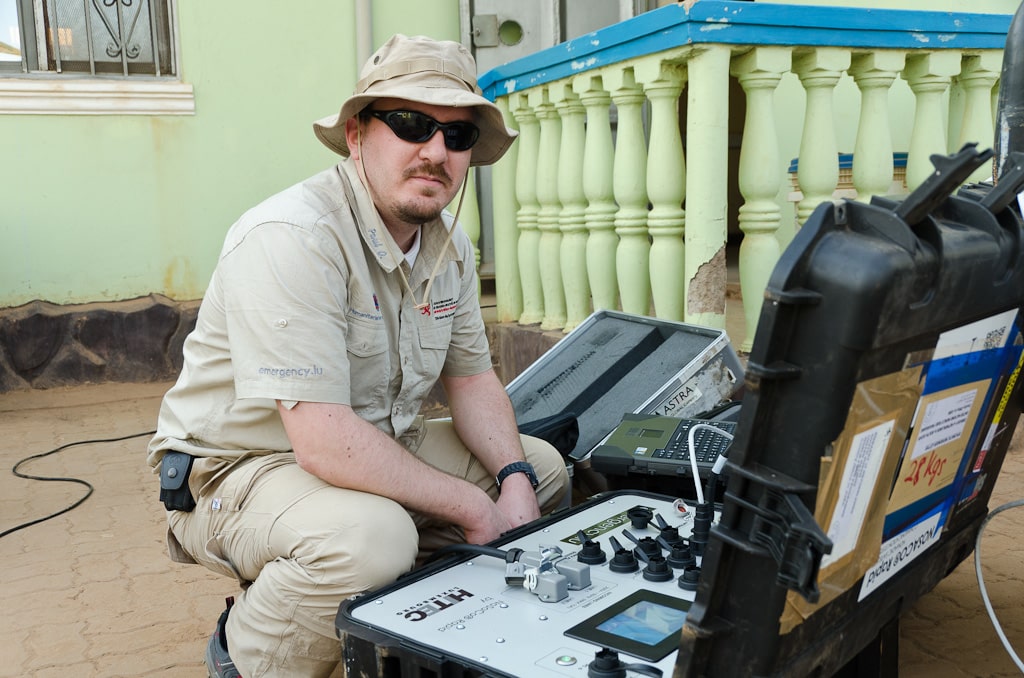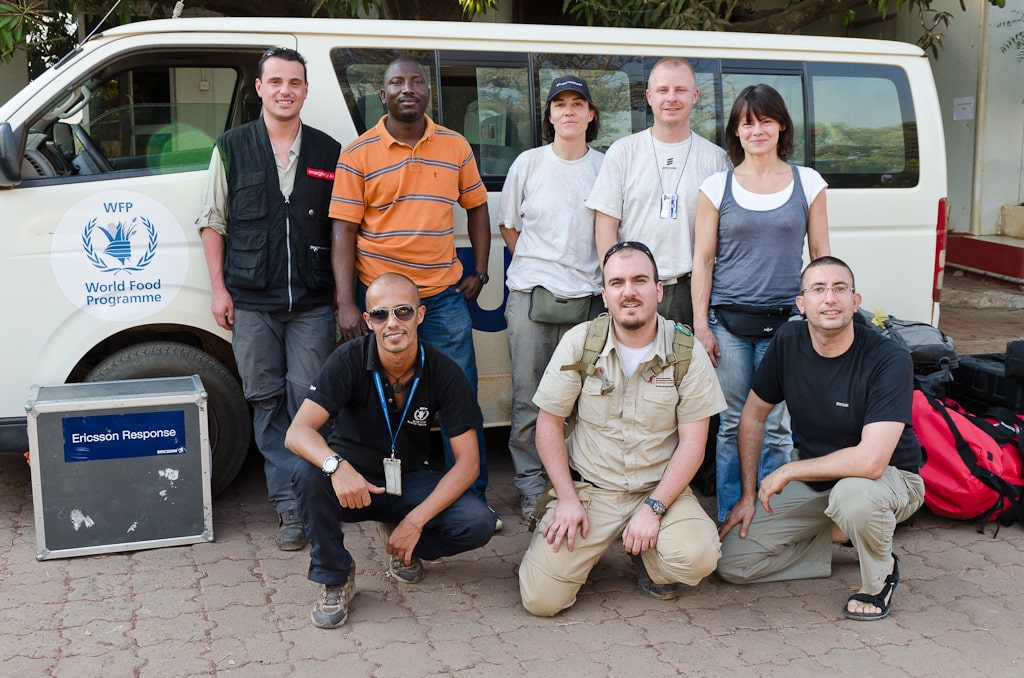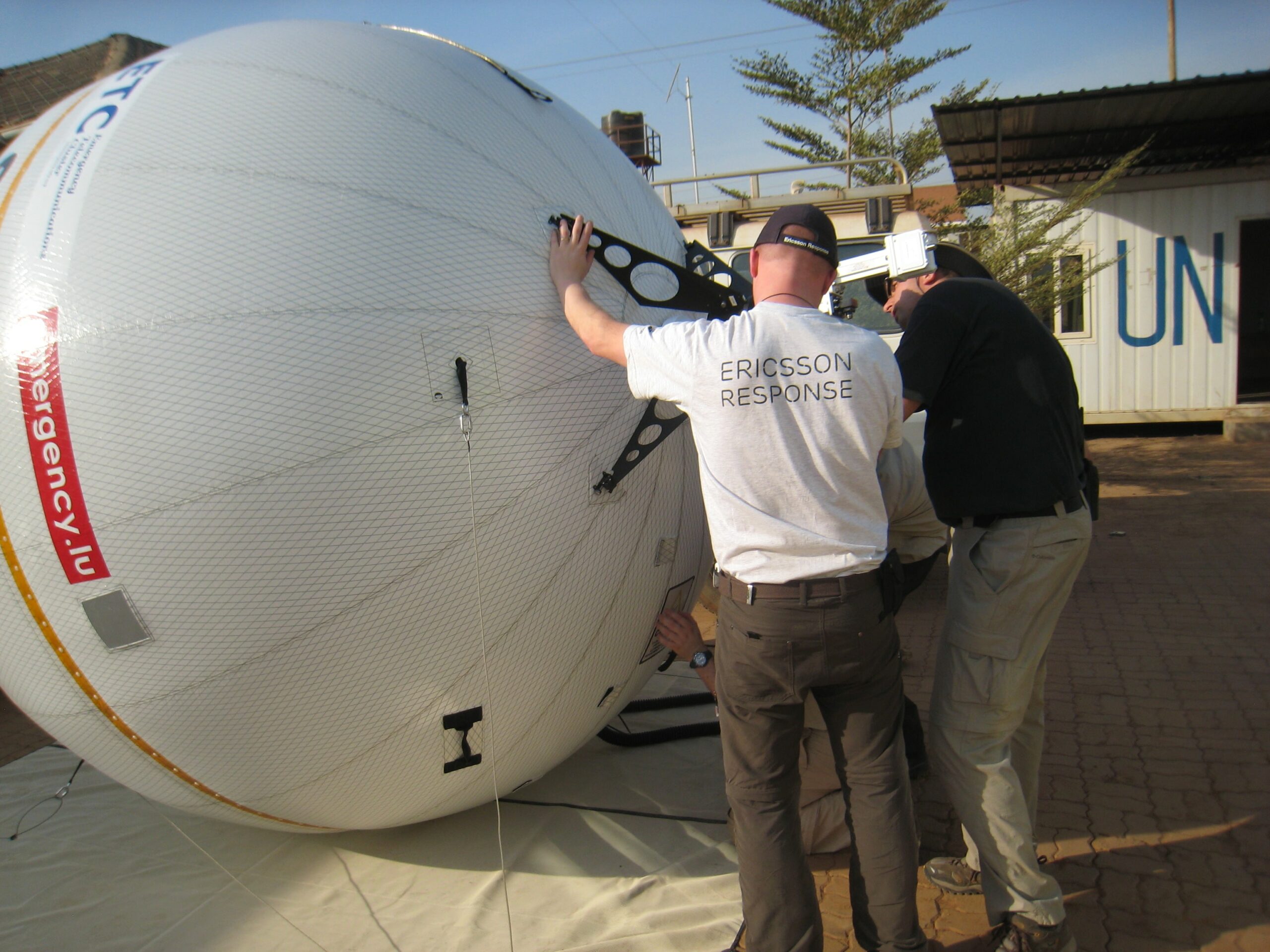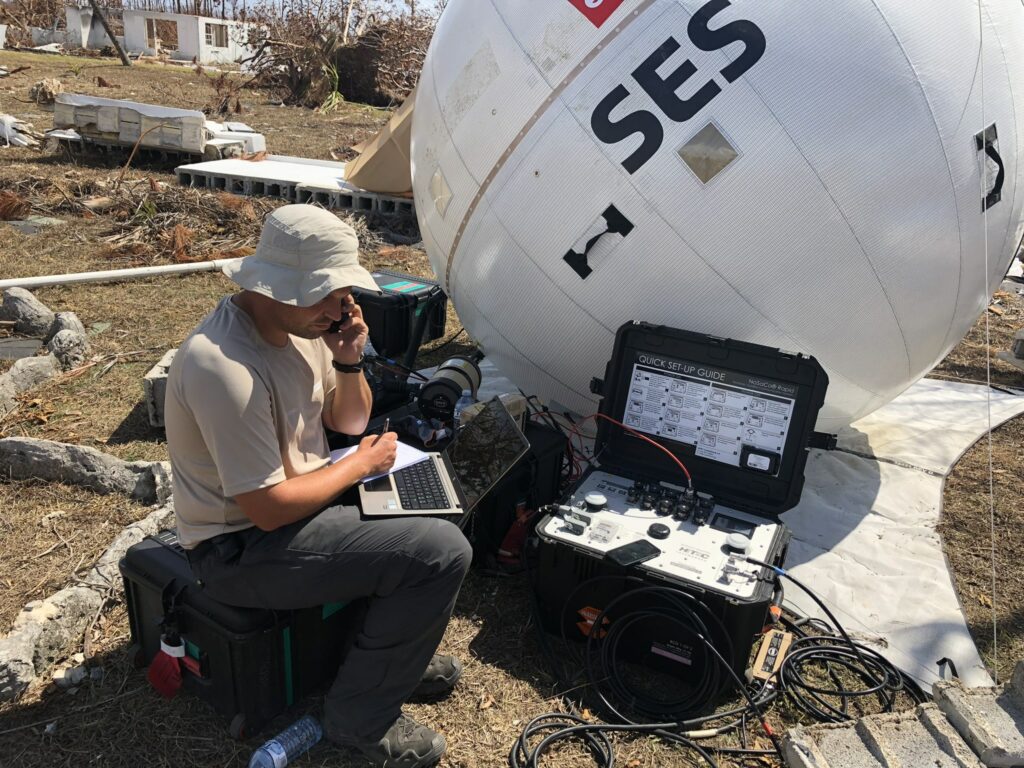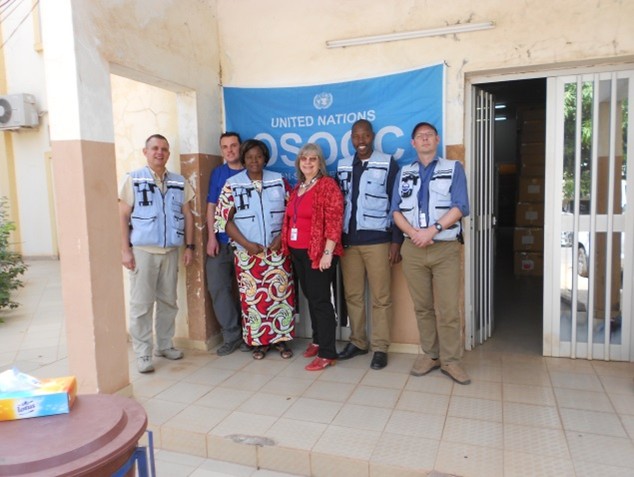
In January 2012, Luxembourg conducted the first operational deployment of the emergency.lu satellite communications platform in response to the rapidly escalating humanitarian crisis in the newly independent Republic of South Sudan. This mission marked the initial field activation of emergency.lu as a core component of the Emergency Telecommunications Cluster (ETC) Response Solution, led globally and in-country by the World Food Programme (WFP).
Context and Objectives
Following South Sudan’s independence in July 2011, the humanitarian situation deteriorated due to conflict, displacement, food insecurity, and lack of basic infrastructure. In September 2011, the ETC was activated to provide critical telecommunications services—including secure communications, internet connectivity, and coordination tools—to the humanitarian community operating in a highly constrained environment where commercial services were largely absent.
The deployment of emergency.lu aimed to:
- Rapidly establish reliable, high-speed communication services for humanitarian responders
- Reinforce the ETC’s operational capacity in-country
- Enable coordinated delivery of aid, reporting, and security management across agencies
Deployment and Technical Implementation
A multi-disciplinary emergency.lu team was deployed to South Sudan, initially establishing operations in key humanitarian hubs including Juba, and extending services to remote locations such as Bentiu and Maban.
The team implemented a comprehensive communications package consisting of:
- VSAT satellite connectivity, ensuring resilient broadband access independent of terrestrial infrastructure
- Local area networks (LANs) configured to support shared use by multiple organizations
- Voice services, including IP-based telephony for inter-agency communication
- Power supply solutions, ensuring continuous operation despite unstable or absent local electricity grids
At the main hub in Juba, emergency.lu established a common service platform that enabled UN agencies, NGOs, and national partners to connect to a unified and reliable communications backbone. This significantly enhanced coordination, operational planning, reporting, and staff safety.
Operational Support and Capacity Building
Throughout the mission, the emergency.lu team worked closely with ETC partners to:
- Optimize network performance in line with evolving operational priorities
- Provide on-site technical support and troubleshooting
- Deliver training to ETC personnel and local staff, ensuring sustainable system management
This capacity-building component was essential to ensure continuity after the initial deployment phase.
Handover and Transition
Upon completion of the initial deployment phase, the emergency.lu system was formally handed over to WFP/ETC for continued operation and maintenance. The Luxembourg contingent then demobilised, having successfully established a robust communications infrastructure that became a cornerstone of humanitarian operations in South Sudan.
Legacy and Expansion
The 2012 deployment laid the groundwork for a sustained emergency telecommunications presence in South Sudan. Over subsequent years, additional equipment and services expanded the network to multiple locations (up to eight sites by 2016), supporting thousands of humanitarian actors. The operation evolved into one of the longest-running ETC activations, demonstrating the enduring impact of the initial emergency.lu deployment.