
From 2015 to 2019, emergency.lu provided sustained satellite connectivity support to a UNICEF field office in Pibor, a remote and volatile area in eastern South Sudan. This long-term deployment took place against the backdrop of one of the world’s most protracted and complex humanitarian crises.
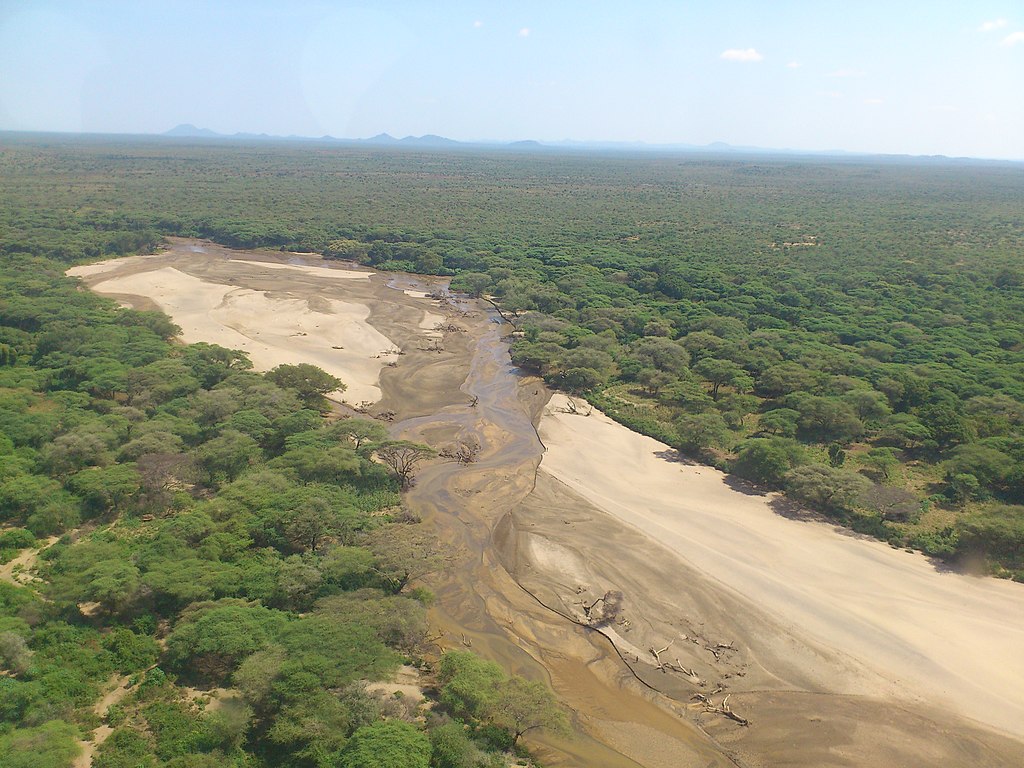
Following its independence in 2011, South Sudan rapidly descended into civil conflict in late 2013, triggering widespread violence, displacement, and the collapse of already limited infrastructure. Regions such as Jonglei State, where Pibor is located, were particularly affected by intercommunal violence, armed clashes, and recurring cycles of displacement. These dynamics were compounded by food insecurity, disease outbreaks, and flooding, creating severe humanitarian needs in areas that were extremely difficult to access.
In Pibor, the situation was further aggravated by geographical isolation and the near absence of reliable infrastructure. Telecommunications services were either non-existent or highly unreliable, while access was often limited to air transport, especially during the rainy season when roads became impassable. For UNICEF and its partners, working to deliver critical services in nutrition, health, child protection, water, sanitation, and education, the lack of dependable communications posed a major operational constraint.
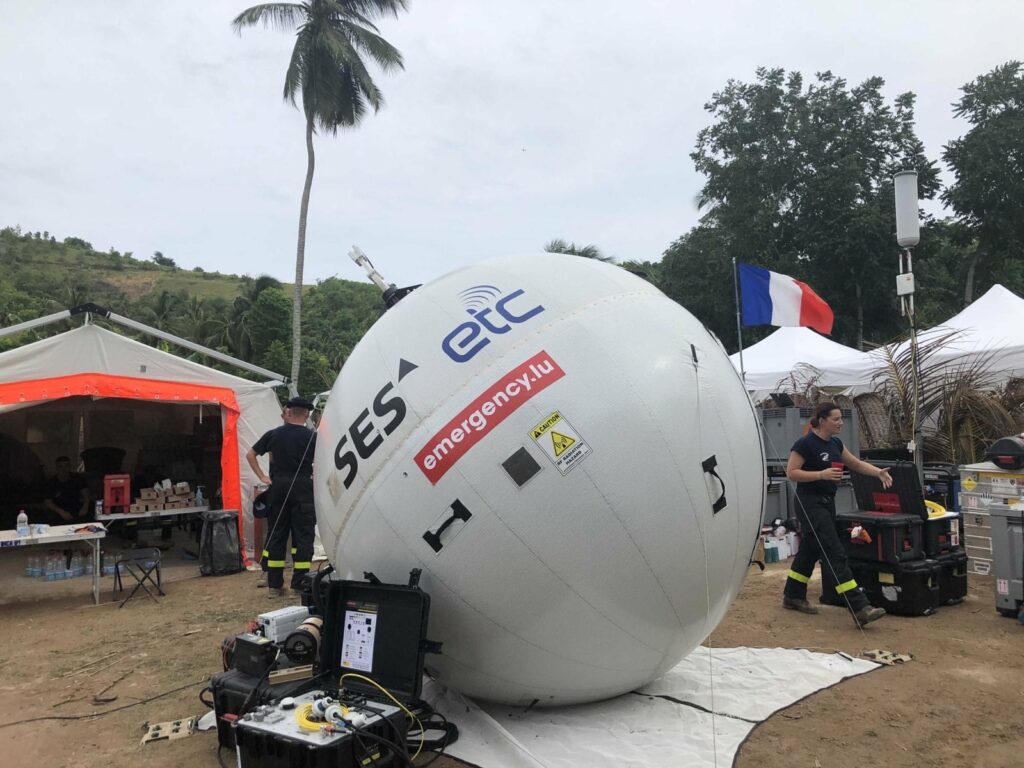
To address this, emergency.lu deployed a satellite-based connectivity solution to the UNICEF field office, ensuring continuous and independent communication capability. The system provided stable internet access, enabling staff to maintain contact with coordination hubs, share reports, manage programmes, and respond more effectively to rapidly changing conditions on the ground.
Over the course of four years, the deployment became a critical enabler of humanitarian operations in Pibor. Reliable connectivity allowed UNICEF teams to:
- Coordinate with national and international partners despite isolation
- Monitor programme implementation and respond to emerging needs
- Support emergency interventions, particularly during periods of heightened conflict or displacement
- Maintain essential communication links for staff safety and security
In a context where both infrastructure and security conditions were highly unpredictable, the resilience and independence of satellite connectivity proved indispensable. The system ensured continuity of operations even during periods of intensified instability or environmental disruption.
The extended duration of the deployment also highlighted emergency.lu’s ability to provide sustained support in protracted crises, moving beyond rapid response into long-term operational reinforcement. By maintaining a reliable communications backbone in one of South Sudan’s most remote regions, emergency.lu played a key role in enabling UNICEF and its partners to deliver life-saving assistance to vulnerable populations.