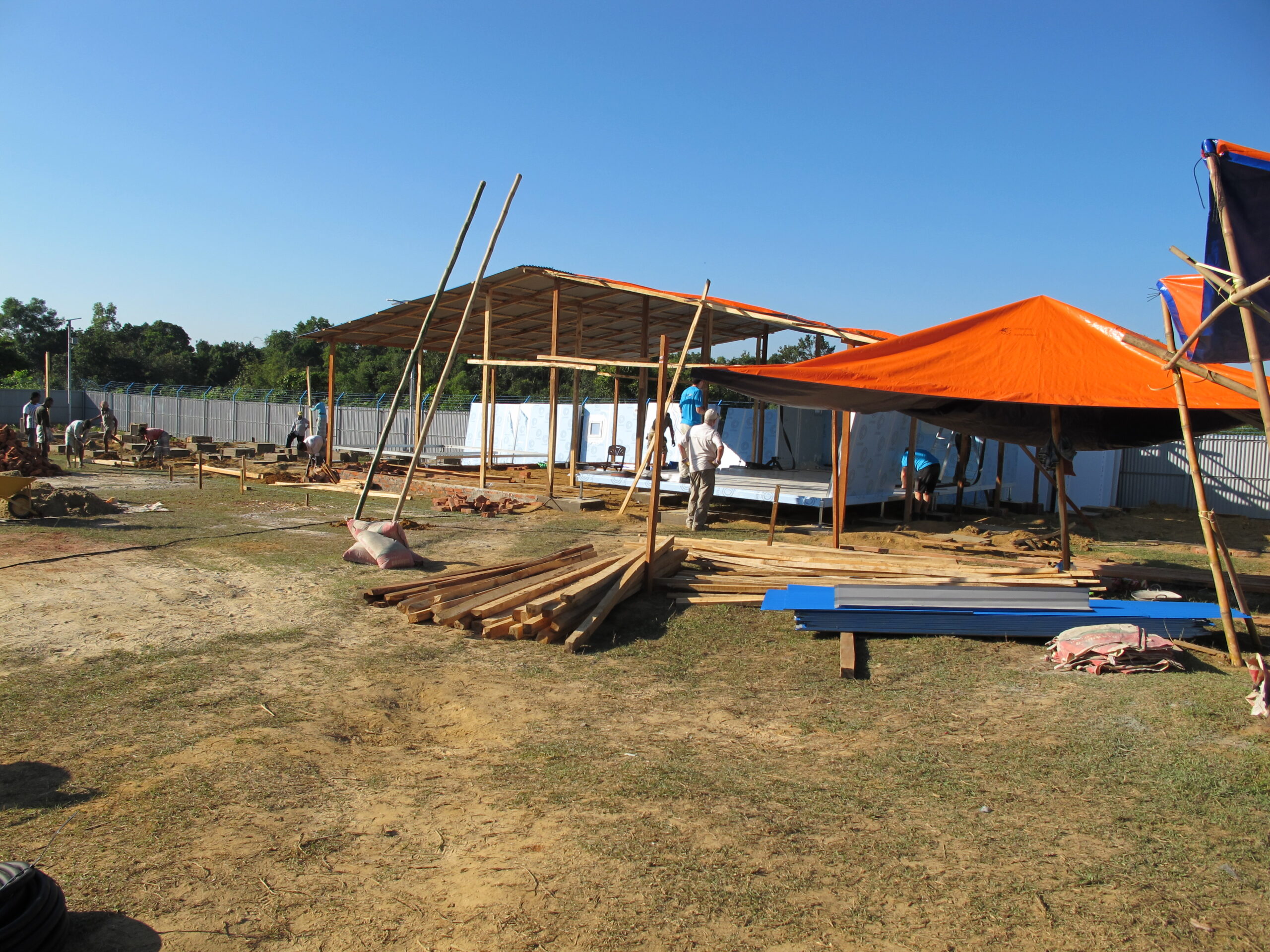
In 2017, the rapid influx of Rohingya refugees into Cox’s Bazar, Bangladesh, created one of the largest and most complex humanitarian crises in the world. The sudden arrival of hundreds of thousands of people placed immense pressure on coordination structures, requiring the rapid establishment of operational infrastructure close to the expanding Kutupalong–Balukhali mega‑camp.
To address this need, the International Organization for Migration (IOM) requested support from the International Humanitarian Partnership (IHP) to set up a dedicated inter‑agency coordination hub near the camp. The chosen site, at IOM’s logistics base in Ukhiya, offered a secure and flood‑resilient location from which humanitarian actors could manage response operations.
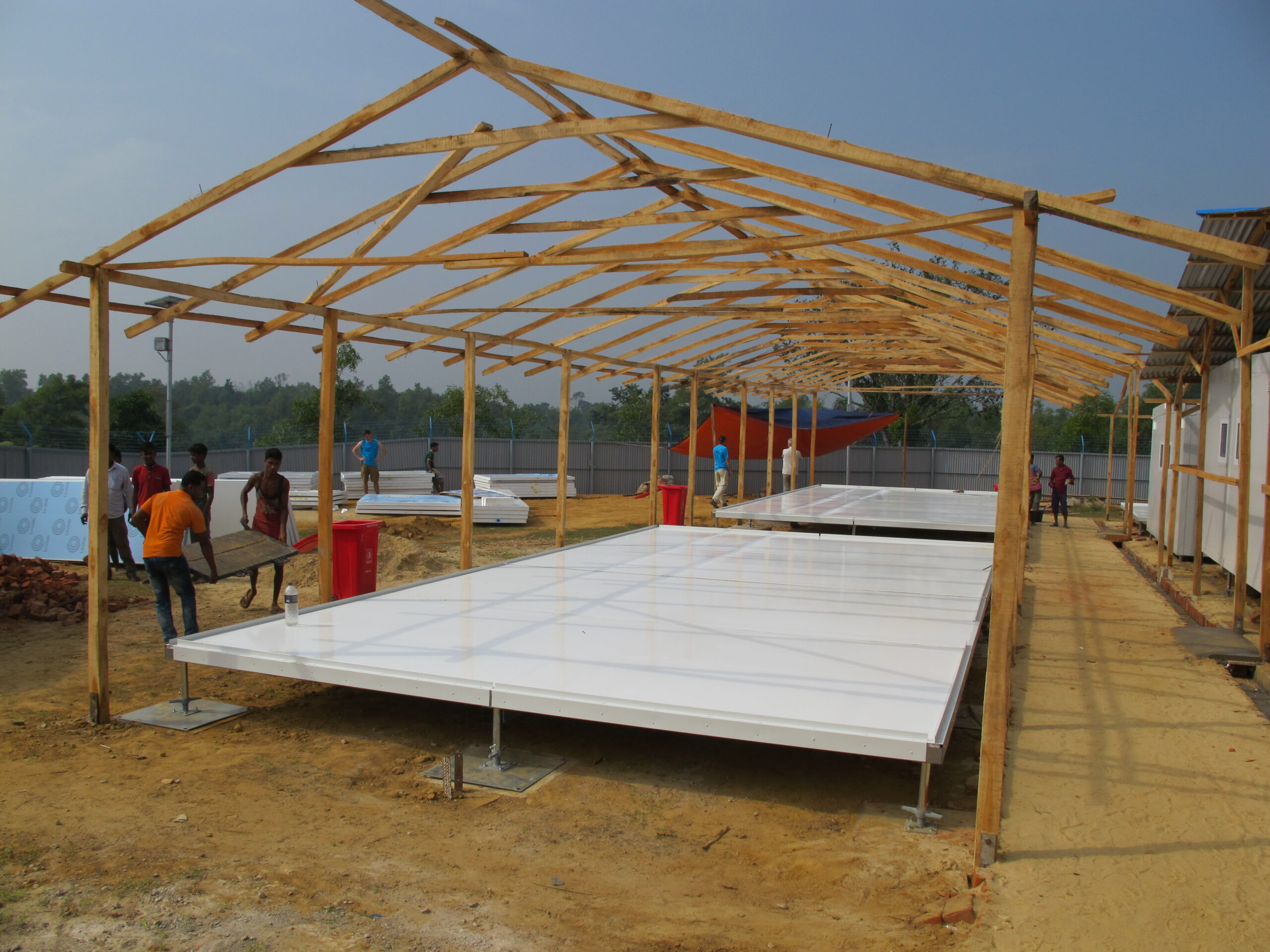
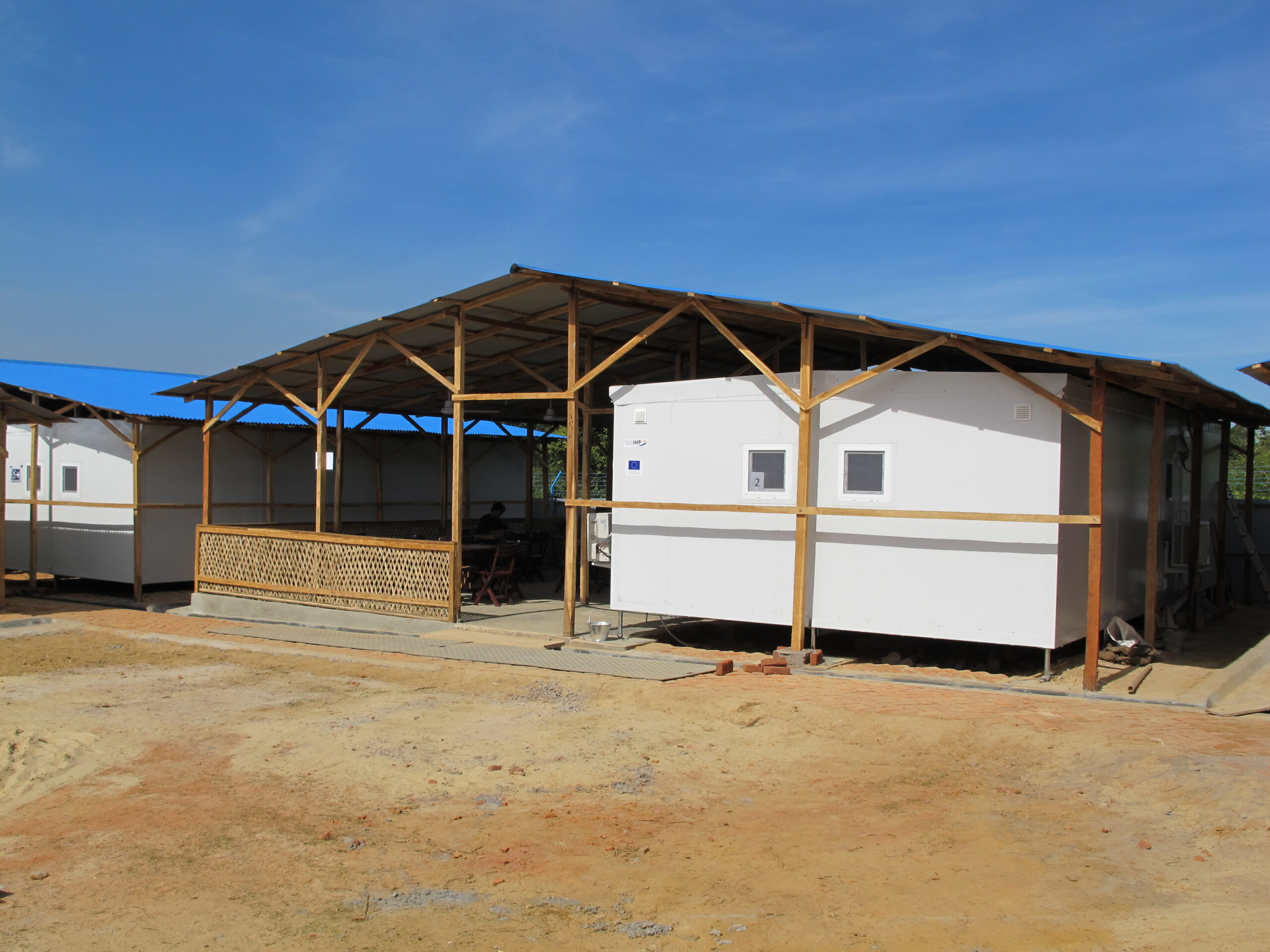
Within this effort, Luxembourg contributed both financially and technically. A HIT (Humanitarian Intervention Team) volunteer, Philippe Hein, was deployed as part of the IHP team to provide IT and camp technical support during the critical setup phase. Working alongside international partners, he supported the installation and configuration of essential infrastructure, including prefabricated office spaces, meeting and coordination rooms, power systems, and sanitation facilities.
The hub was designed to host up to 45 staff and accommodate coordination meetings for 60 participants, serving the Inter Sector Coordination Group (ISCG), UN agencies, and NGOs active in the response. Philippe Hein’s role ensured that the site was not only physically operational but also technically functional, enabling communications, data sharing, and daily coordination activities to take place effectively.
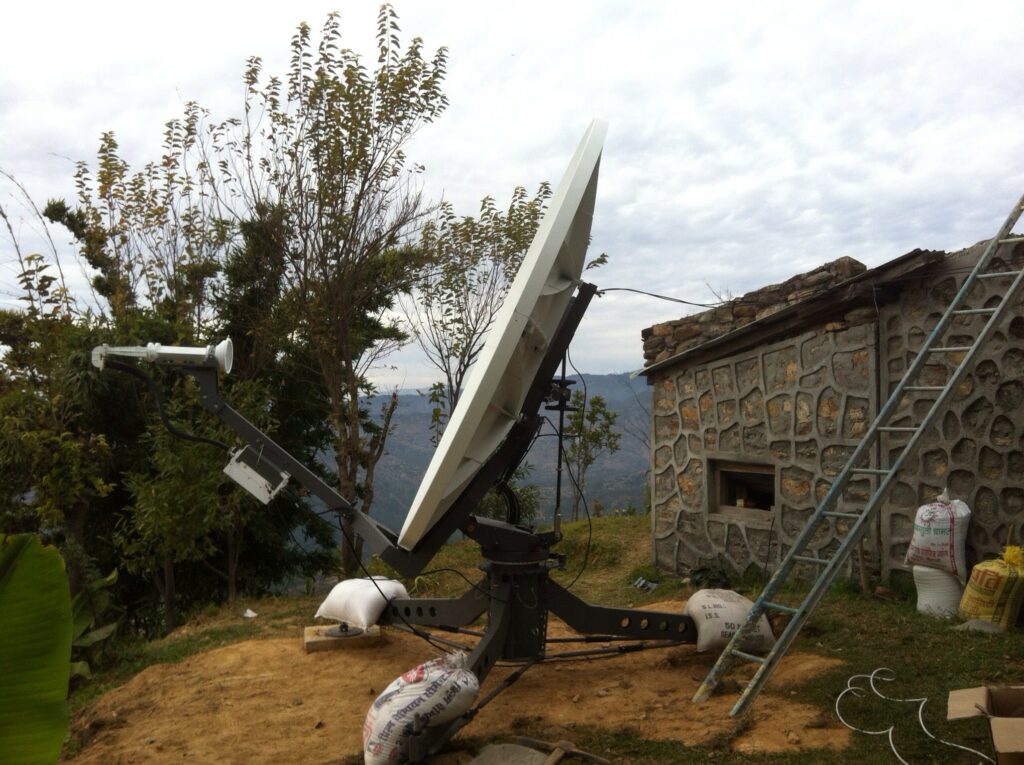
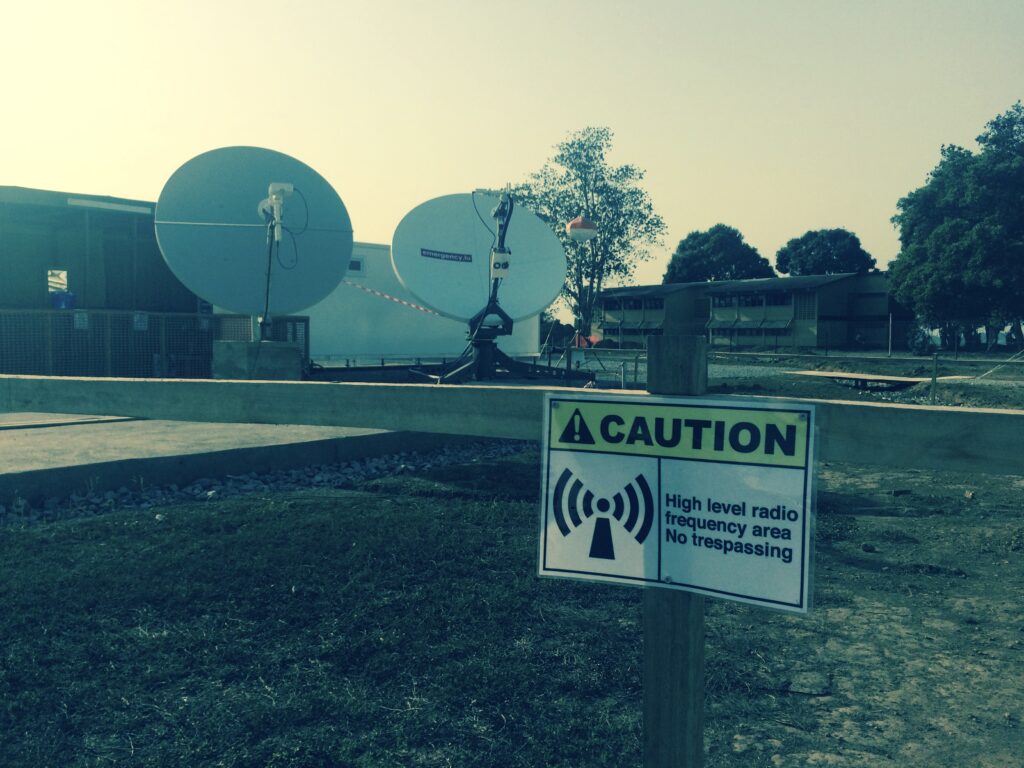
The integration of IT and infrastructure components was essential to transform the base into a functional coordination environment, linked with broader ETS/ETC telecommunications services supporting the crisis response. From this hub, humanitarian actors were able to coordinate large-scale operations in sectors such as shelter, health, protection, water and sanitation, and logistics.
This deployment highlighted the importance of combining camp infrastructure and ICT expertise in large refugee emergencies. By supporting the establishment of a fully operational coordination hub in Ukhiya, Luxembourg helped ensure that humanitarian actors could work efficiently together at the heart of one of the most complex displacement crises of recent years.