A specialized fire prevention expert from the Humanitarian Intervention Team (HIT), also serving with Luxembourg’s CGDIS, has successfully completed a fire safety mission in Chad in support of the World Food Programme (WFP). The deployment was carried out within the framework of the International Humanitarian Partnership (IHP), following a request submitted by WFP to the IHP for technical support.
Strengthening Safety in a Complex Operational Environment
Conducted under the policy guidance of the United Nations Department of Safety and Security (UNDSS), the mission aimed to ensure that WFP operations in Chad continue safely while delivering critical humanitarian assistance. Fire safety remains essential to protecting personnel, infrastructure, and assets in demanding operational contexts.
Aligned with WFP’s “how to stay” security culture, the initiative reinforces the organization’s ability to maintain life-saving operations while reducing risks in challenging environments.
Comprehensive Assessments Across Key Facilities
The CGDIS expert conducted detailed fire prevention inspections across a wide range of WFP facilities, including the Country Office, sub-offices, warehouses, and staff accommodations. These assessments focused on compliance with UN fire safety guidelines, Security Risk Management Measures (SRM), and applicable local fire codes.
Particular attention was given to identifying vulnerabilities that may have arisen due to operational changes or evolving risks. Emergency preparedness elements—such as evacuation plans, fire detection systems, and drills—were also carefully reviewed.
Close coordination with WFP management, supply chain teams, and UNDSS ensured that all findings were aligned with the broader security framework in country.
Risk Analysis and Practical Recommendations
A key outcome of the mission was a comprehensive fire safety risk assessment identifying threats, hazards, and risks that could exacerbate fire incidents.
Based on this analysis, the mission produced practical and cost-conscious recommendations to strengthen fire prevention and mitigation. These included improvements to safety systems, operational procedures, and risk management practices.
Engagement with local fire services further helped assess response capacities and identify gaps, enabling WFP to better adapt contingency measures to the local context.
Building Capacity Through Training
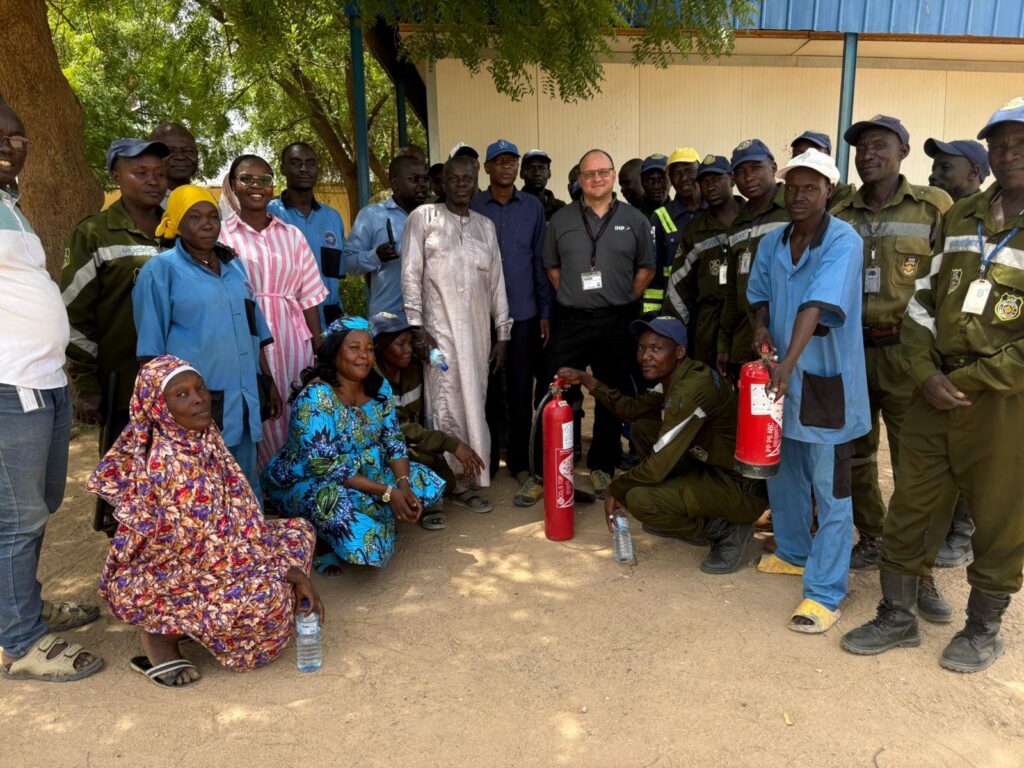
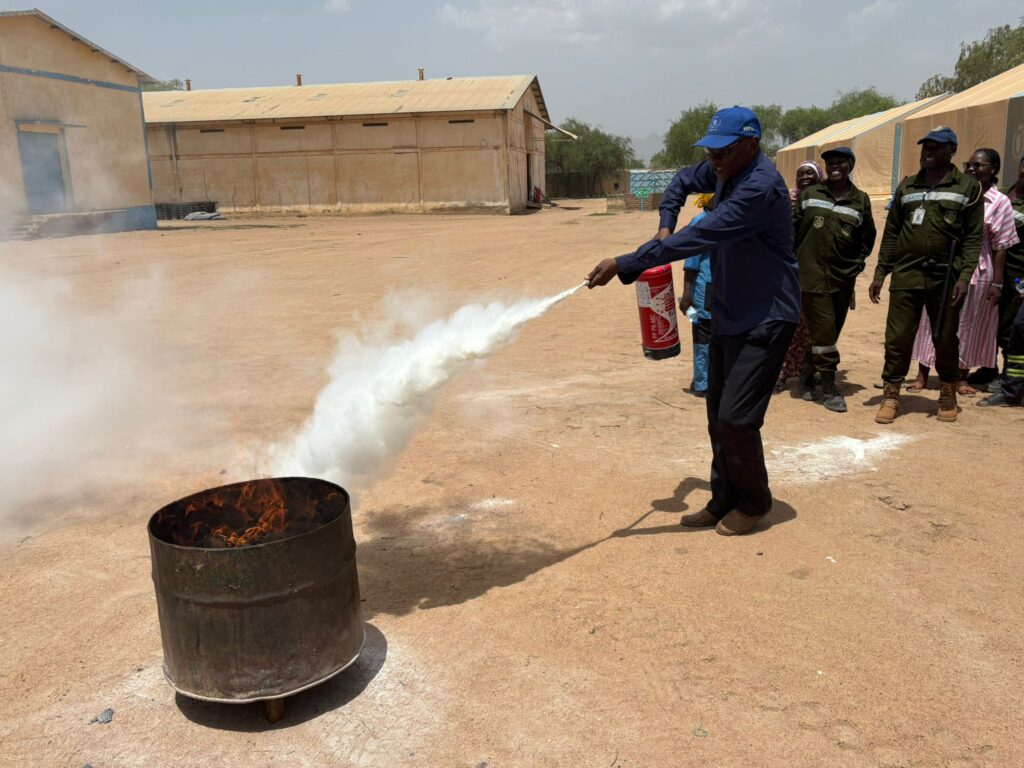
In addition to assessments, the mission emphasized capacity building through fire safety awareness training for WFP personnel. Sessions were delivered in line with UN Fire Safety Guidelines and included practical components such as evacuation drills and emergency response procedures.
These efforts contribute to strengthening a proactive safety culture, ensuring staff are better prepared to prevent and respond to fire incidents.
Key Deliverables and Follow-Up
The mission resulted in several key deliverables, including:
- Fire safety inspections of WFP premises
- A detailed fire safety risk assessment
- A comprehensive mission report outlining compliance levels, key findings, and recommendations
- Delivery of fire safety awareness training and drills
The findings were presented to WFP country leadership and security teams, with priority actions highlighted during a close-out meeting to support immediate and long-term improvements.
Supporting Humanitarian Impact Through Partnership
This mission highlights the importance of international cooperation in strengthening safety in humanitarian operations. Conducted through the IHP mechanism in response to WFP’s request, it demonstrates how rapid deployment of specialized expertise can enhance operational resilience in the field.