In 2012, intense monsoon rains triggered severe flooding and landslides across western Nepal, isolating remote districts and severely disrupting already fragile infrastructure. In areas such as Dadeldhura, roads were cut off, access became limited, and local telecommunications networks—critical for coordinating relief—were rendered unreliable or unusable. The disruption significantly constrained the ability of humanitarian actors to maintain situational awareness and organize effective response operations.
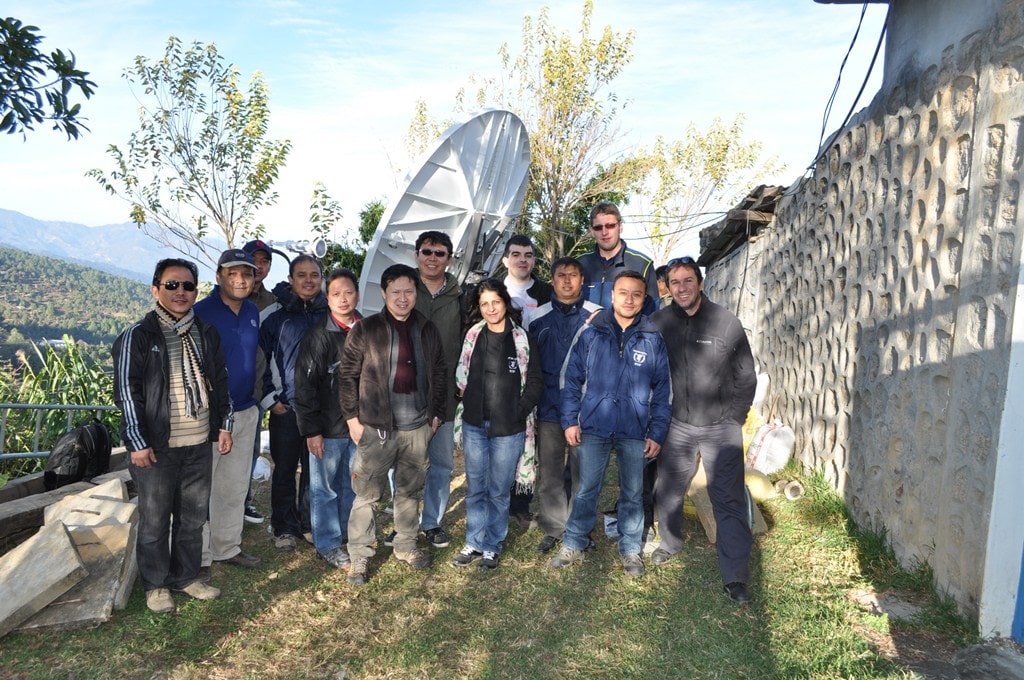
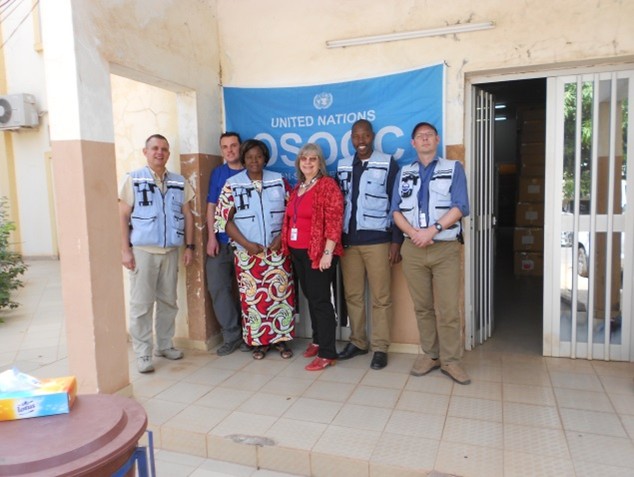
To address these challenges, Luxembourg deployed a small emergency.lu team to support the World Food Programme (WFP) sub-office in Dadeldhura, which played a key role in coordinating assistance in the affected region. The team was tasked with rapidly restoring dependable communications under difficult field conditions.
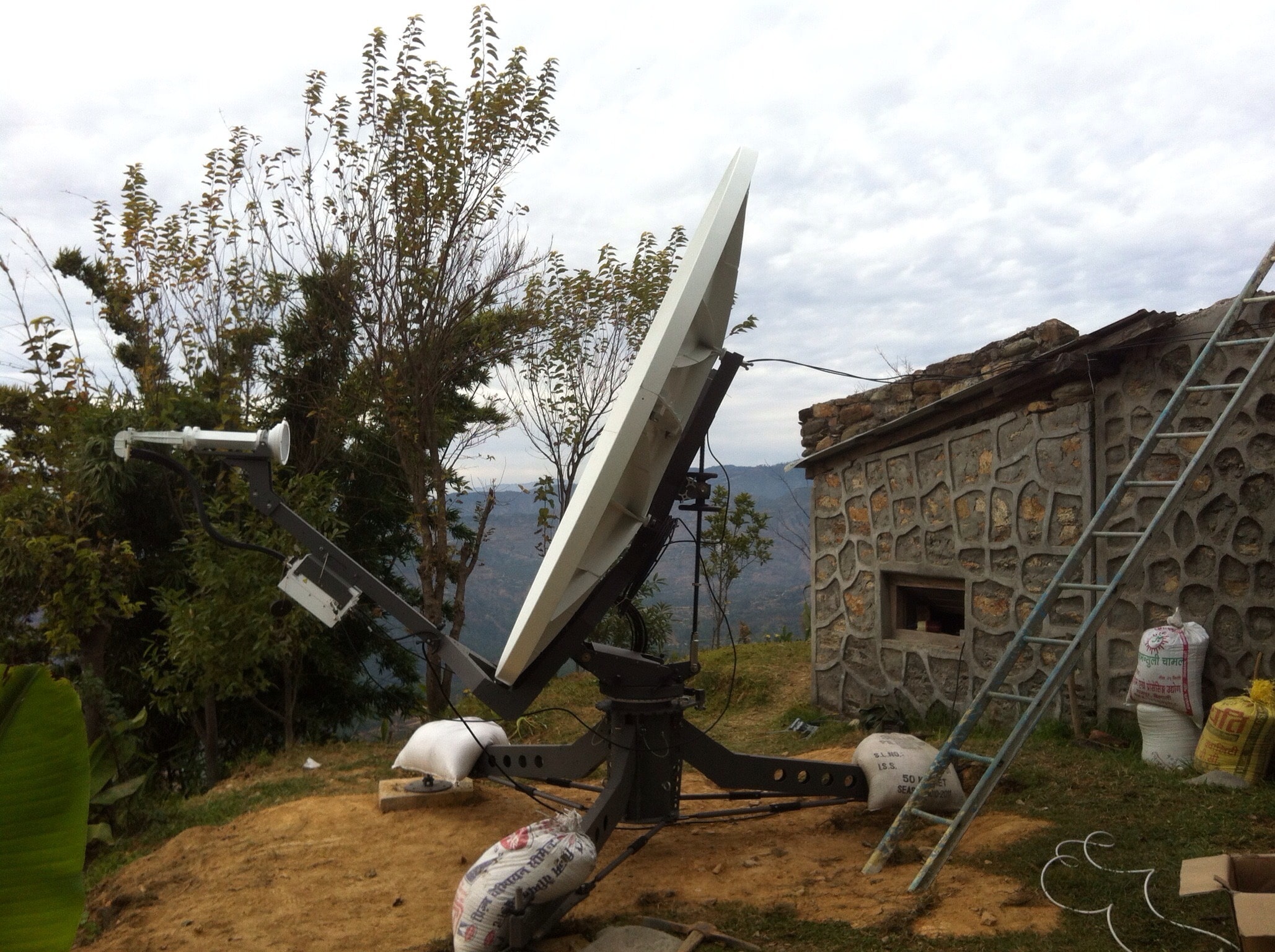
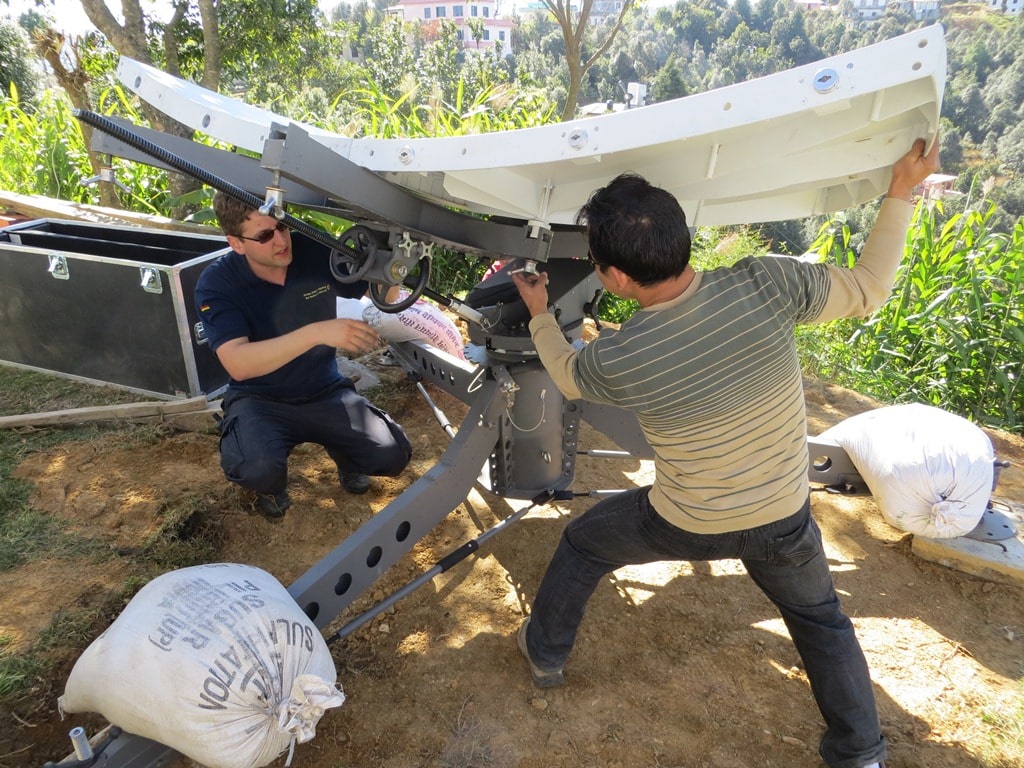
Upon arrival, the team installed a NoSaCo Regular VSAT terminal equipped with a Ranger antenna, establishing a satellite link independent of damaged terrestrial infrastructure. Rather than replacing the existing connectivity, the solution was designed as a hybrid system, fully integrated into the WFP network. This allowed the office to continue using the local internet service provider when available, while automatically switching to satellite connectivity whenever disruptions occurred. This seamless failover mechanism ensured uninterrupted communication without requiring manual intervention.
Despite the logistical constraints of operating in a remote and flood-affected area, the installation was completed quickly. Minor technical issues encountered during setup were resolved on-site, allowing the system to become operational without delay. Once active, it provided stable and reliable internet access, enabling field teams to exchange information, coordinate logistics, submit reports, and stay connected with national and international partners.
The deployment, while modest in scale, proved highly effective. It demonstrated emergency.lu’s ability to adapt to geographically challenging environments and to deliver resilient communications solutions tailored to specific operational needs. By combining satellite connectivity with local infrastructure, the system ensured both efficiency and redundancy—key factors in maintaining continuity during disaster response.
This mission further highlighted emergency.lu’s role as a flexible and rapidly deployable capability, capable of restoring critical communications in isolated areas where even partial infrastructure failure can significantly hinder humanitarian action.