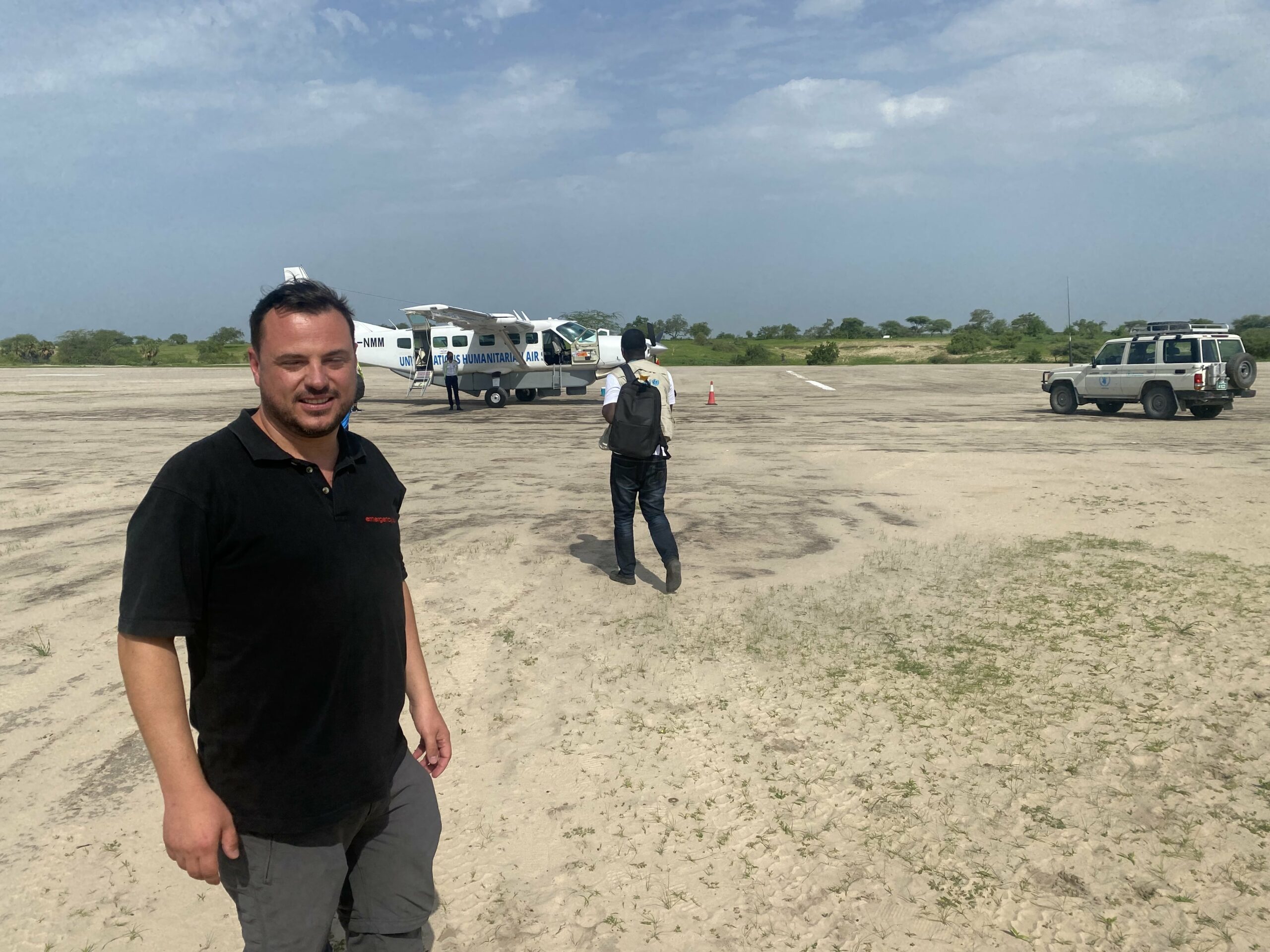
The humanitarian crisis in the Lake Chad Basin continued to intensify between 2016 and 2018, driven by the persistent violence of Boko Haram insurgency in north‑eastern Nigeria. Repeated attacks on civilians, combined with counter‑insurgency operations, caused large‑scale displacement across borders into neighbouring countries, including Chad, Cameroon, and Niger. By mid‑2018, more than 226,000 Nigerian refugees had fled their country, with over 10,000 seeking refuge in Chad, particularly around the Baga‑Sola area along Lake Chad.
Baga‑Sola quickly became a key humanitarian hub, hosting refugees in camps such as Dar es Salam, as well as a growing presence of humanitarian organisations working to provide protection, shelter, food assistance, and basic services. However, the region faced significant challenges: it was remote, environmentally harsh, and severely lacking in infrastructure, including reliable telecommunications. This lack of connectivity hindered coordination between humanitarian actors and limited the effectiveness of assistance delivery.
To address this gap, the Refugee Emergency Telecommunications Sector (RETS)—coordinated by UNHCR—mobilised to provide essential communication services in support of the refugee response. Building on the success of a similar operation in Diffa, Niger, UNHCR requested the support of emergency.lu to reinforce its operations in Baga‑Sola.
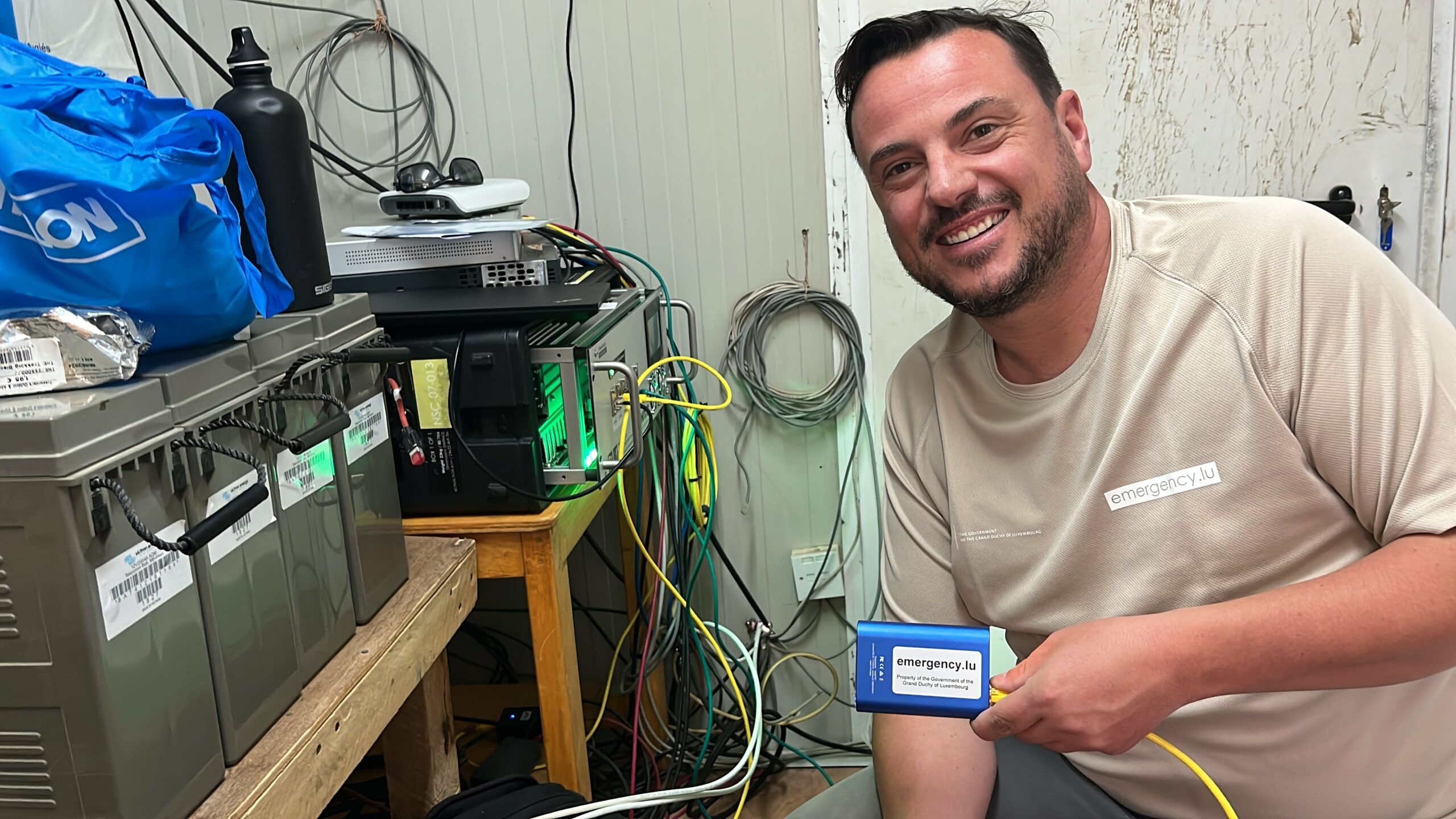
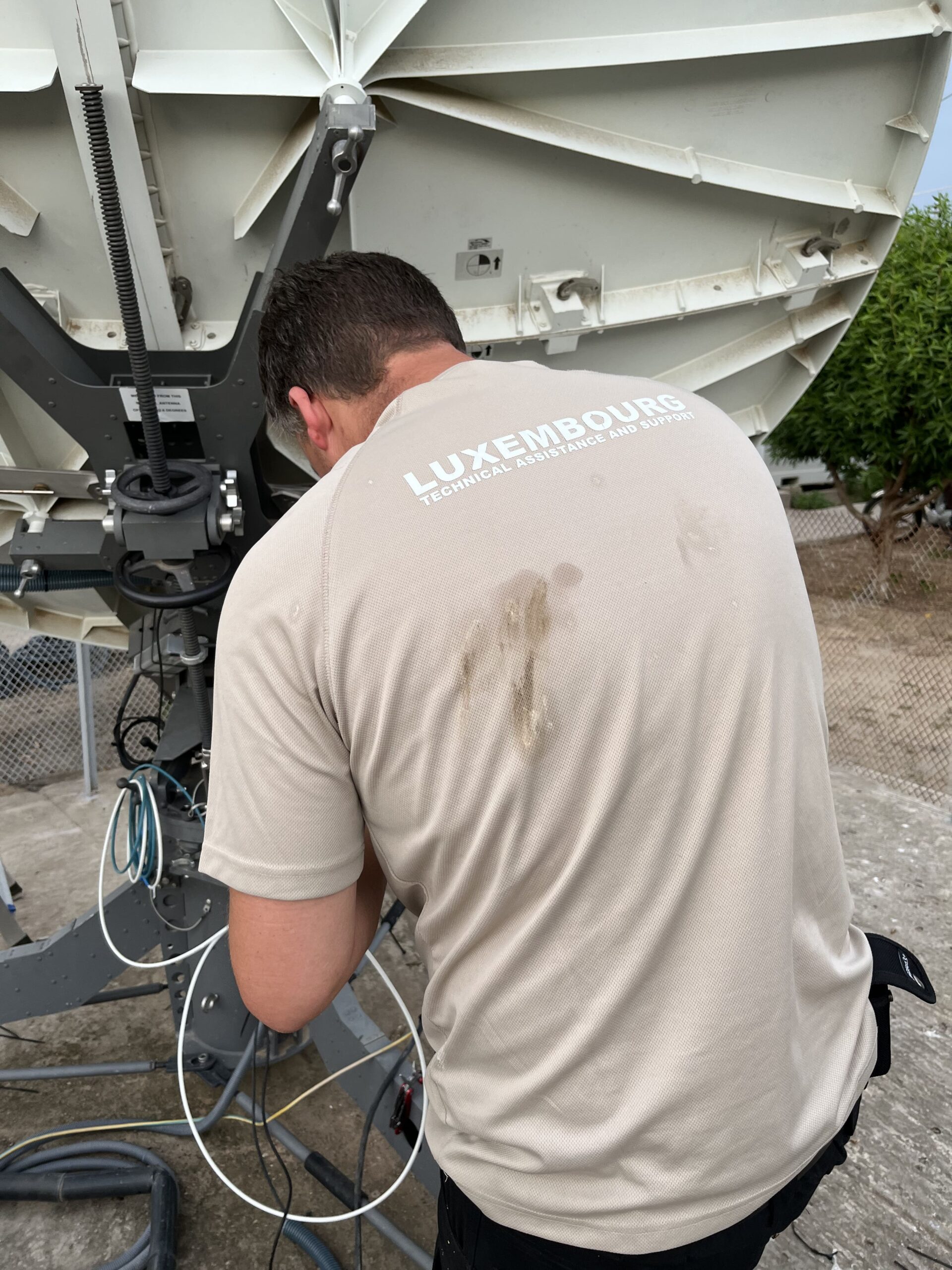
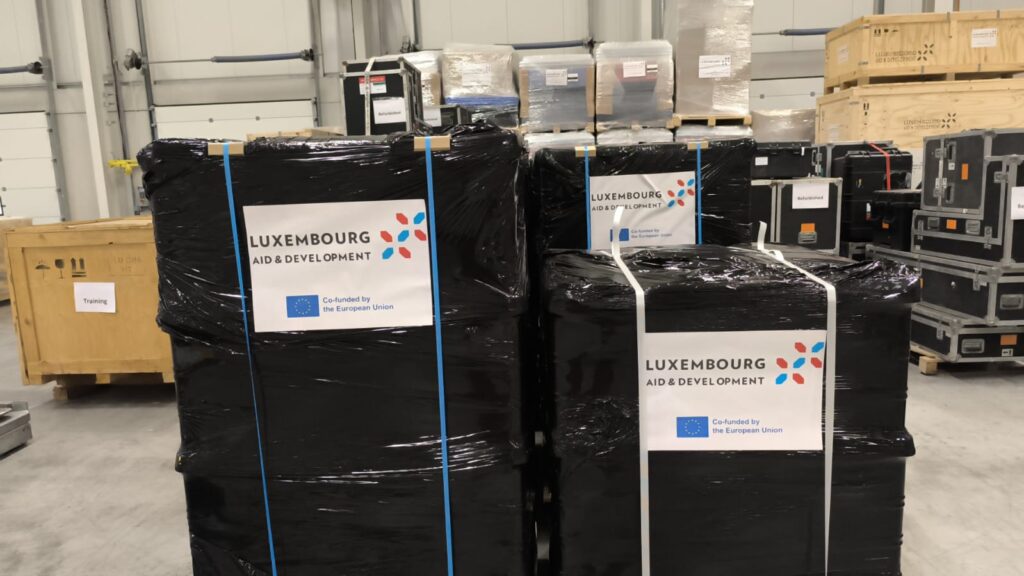
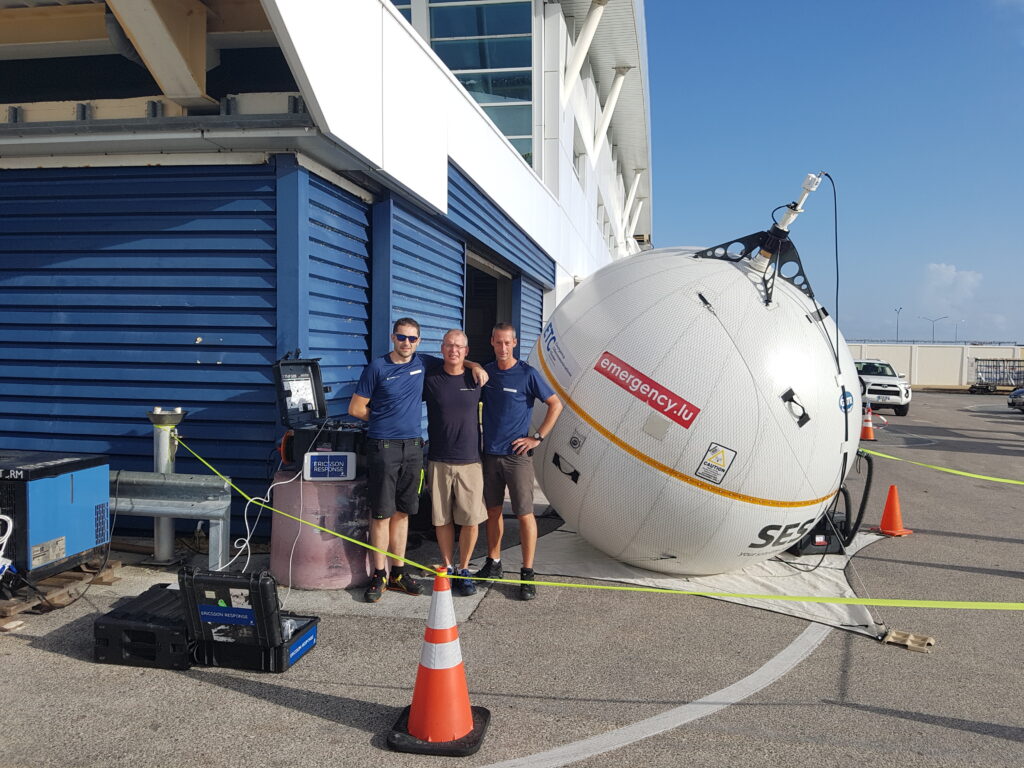
Luxembourg responded by deploying an emergency.lu satellite connectivity solution, providing reliable and independent internet access to UNHCR and its partner organisations. The system ensured that humanitarian actors operating in Baga‑Sola could overcome the limitations of non‑existent or unreliable local communications infrastructure.
By restoring connectivity, emergency.lu helped transform Baga‑Sola into a more effective coordination hub, allowing humanitarian actors to operate with greater efficiency and coherence despite challenging conditions.
The operation also reinforced an important operational model already proven in Diffa: providing shared connectivity services to a broad network of partners, ensuring that even smaller organisations with limited resources could access reliable communications. This approach strengthened collaboration across the humanitarian community and improved the overall quality of assistance delivered to refugees.